
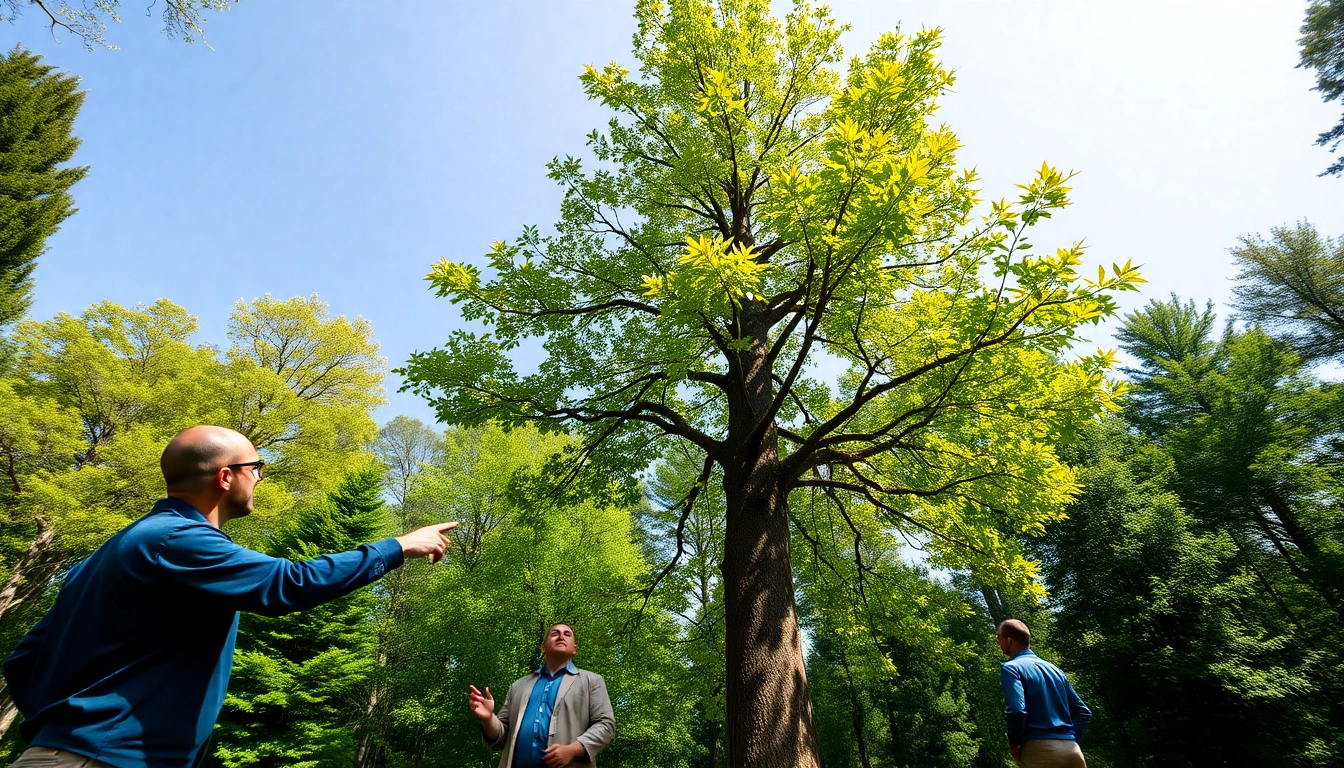

Understanding Tree Consultancy
What is Tree Consultancy?
Tree consultancy involves the professional assessment and management of trees to ensure their health, safety, and overall contribution to the environment. Experts in tree consultancy employ various techniques and tools to evaluate tree conditions, deliver maintenance recommendations, and engage in strategies that foster sustainable tree growth. The aim of tree consultancy is not only to eradicate potential hazards, particularly in urban settings, but also to enhance the ecological and aesthetic value of green spaces. Through a dedicated focus on Tree Consultancy, communities can protect their trees while benefiting from the numerous advantages these living organisms provide.
The Importance of Expert Tree Care
Healthy trees contribute significantly to the ecological balance, enhance local biodiversity, and improve aesthetics in urban and rural settings alike. Trees absorb pollutants and release oxygen, making them vital for maintaining air quality. Professionally managed trees also tend to last longer and provide more benefits in terms of shade, windbreaks, and habitat for wildlife. Additionally, expert tree care can elevate property values, as a well-maintained landscape is often a key selling point for real estate.
Components of Tree Consultancy Services
Tree consultancy services encompass several key components to ensure comprehensive tree health management:
- Tree Assessments: Experts evaluate aspects such as tree species, age, size, and health status.
- Risk Assessment: Evaluating potential hazards trees may pose to people and property.
- Pruning Management: Recommendations for necessary pruning to promote healthy growth.
- Soil Analysis: Understanding soil health to inform fertilization and watering practices.
- Long-term Care Plans: Customized plans that outline ongoing maintenance schedules and techniques.
Assessing Tree Health
Common Signs of Tree Distress
Recognizing the symptoms of tree distress is crucial for timely intervention. Common signs include:
- Discoloration: Yellowing leaves or unusual leaf drop can indicate nutrient deficiencies or pest infestations.
- Cracks or Cankers: Damage to the bark can point to diseases or fungal infections.
- Stunted Growth: Trees that exhibit minimal growth may be struggling due to poor soil quality or root damage.
- Leaning Trunks: A significant tilt may indicate structural weakness or disease affecting the root system.
Tools Used in Tree Assessment
Tree consultants utilize a variety of tools to assess tree health accurately:
- Vibration Sensors: Used to evaluate the structural integrity of the tree.
- Soil Probes: Equipments designed to analyze soil moisture and nutrient levels.
- Diagnostic Kits: Tools for detecting specific diseases or pests.
- Pruning Shears: Needed for immediate care of overgrown or damaged branches.
Interpreting Tree Health Indicators
Professional tree consultants are skilled at interpreting various health indicators to make informed decisions. For instance, changes in foliage color may indicate certain deficiencies—yellowing leaves can suggest nitrogen deficiency, while browning may signify water stress. A gradual analysis combined with the appropriate tools helps in developing a clear picture of overall tree health, leading to effective management strategies.
Best Practices for Tree Maintenance
Regular Pruning Techniques
Regular pruning is fundamental for maintaining healthy trees and ensuring safety in populated areas. Key techniques include:
- Thinning: Removing select branches to promote airflow and light penetration.
- Weight Reduction: Reducing the weight of heavy branches to prevent breakage and structural damage.
- Deadwood Removal: Clearing dead or dying branches to reduce the risk of pests and disease.
Each pruning technique should be executed at the appropriate times throughout the year based on the tree species.
Fertilization and Soil Management
Proper fertilization and soil management are vital components of tree care. Key practices include:
- Soil Testing: Analyze soil composition to determine the necessary nutrients for healthy growth.
- Organic Fertilizers: Utilizing organic compounds to enhance soil structure and nutrient availability.
- Mulching: Using organic mulch reduces competition for nutrients and suppresses weeds.
Regular soil assessments help in adapting these strategies to environmental changes over time.
Pest and Disease Management Strategies
Managing pests and diseases requires a proactive approach:
- Integrated Pest Management (IPM): A balanced approach using biological, mechanical, and cultural methods alongside chemical solutions when necessary.
- Monitoring: Regular inspections to identify emerging issues before they escalate into serious problems.
- Quarantine Practices: Isolating affected trees to prevent the spread of diseases.
A comprehensive strategy ensures trees remain a vibrant part of the landscape while minimizing risks associated with pests.
Case Studies in Tree Consultancy
Successful Tree Preservations
Successful tree preservation efforts often highlight the importance of consultancy services in urban environments. One notable example involved a community park where diverse tree species were at risk due to urban development pressures. Through thorough assessments and reconstruction of the surrounding ecosystem, many trees were saved, and their conditions significantly improved, benefiting the wider community.
Lessons from Tree Consultancy Projects
Tree consultancy projects yield valuable lessons that contribute to future success. One critical takeaway is the importance of engaging the community in tree care efforts. Educational programs about the benefits of trees and active participation in Pruning Day events foster stewardship among local residents while ensuring better tree health outcomes.
Community Impact of Effective Tree Care
The impact of effective tree care extends beyond individual properties; it shapes community aesthetics and increases property values. In cities with a robust tree management strategy, residents reported not only enhanced curb appeal but also improved air quality and a sense of community pride. Such benefits emphasize the role of tree consultancy in crafting sustainable urban landscapes.
Future Trends in Tree Consultancy
Innovative Assessment Technologies
The field of tree consultancy is evolving rapidly with technological advancements. Emerging tools, such as drones equipped with imaging technology, allow for aerial assessments of extensive areas. These innovations make evaluations faster and provide comprehensive insights into tree health that may be difficult to observe from ground level.
Eco-Friendly Practices in Tree Management
As society increasingly values sustainability, eco-friendly practices in tree management are gaining traction. This includes exploring natural pest control methods and promoting biodiversity by planting native tree species. Such initiatives not only protect local fauna but also contribute to resilience against climate change.
Anticipating Environmental Challenges
Anticipating environmental challenges, such as climate change and urban development, is critical for future tree consultancy. Developing frameworks that prioritize adaptability will equip consultants to navigate alterations in tree health dynamics and ensure ongoing community benefits. For instance, selecting climate-resilient species for planting campaigns can mitigate potential losses due to shifting weather patterns.
FAQs
What is tree consultancy?
Tree consultancy involves assessing trees’ health and offering advice for preservation and management, ensuring safety and ecological balance.
Why is tree health important?
Healthy trees contribute to ecological balance, air quality, aesthetics, and property value, making tree consultancy essential for communities.
How often should trees be assessed?
Regular assessments, ideally once a year, help identify issues early, ensuring that trees remain healthy and safe for the environment.
What tools do tree consultants use?
Tree consultants use diagnostic equipment, soil probes, pruning tools, and aerial imagery for accurate assessments of tree health.
Can tree consultancy improve property value?
Yes, expert tree care enhances landscaping aesthetics and can significantly increase the market value of a property, contributing to overall appeal.