
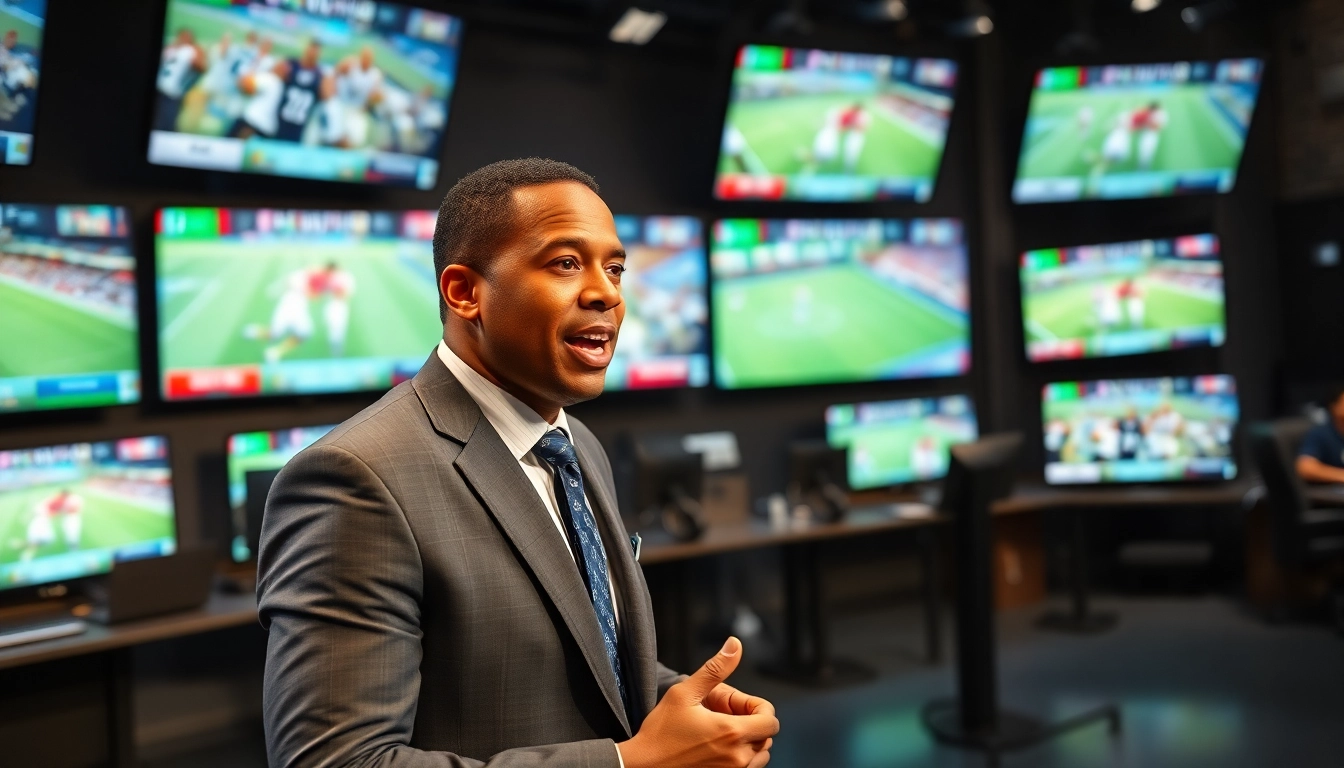
Understanding Sports Broadcasting Basics
What is Sports Broadcasting?
Sports broadcasting refers to the dissemination of sports-related content, live events, analysis, and commentary through various media channels, including television, radio, and digital platforms. It encompasses a wide range of formats, such as live game coverage, pre-game analyses, post-game discussions, and sports news. With growing viewer demand for real-time sports information, Sports Broadcasting has established itself as a dynamic industry. Sports broadcasting creates a connection between athletes and fans, turning live events into shared experiences that transcend geographical boundaries.
Key Roles in Sports Broadcasting
A successful sports broadcast involves a variety of professionals, each playing a vital role in the overall production. Key roles include:
- Commentators: They provide live analysis and play-by-play commentary, keeping viewers informed about the game's progress.
- Analysts: Often former athletes or seasoned experts, they analyze performance and strategy to provide deeper insights.
- Producers: They oversee the production process, ensuring that the broadcast runs smoothly and adheres to scheduled timelines.
- Cameramen and Directors: Responsible for capturing the action and orchestrating camera angles to enhance viewer engagement.
- Reporters: These journalists cover stories behind the scenes, interviewing players and coaches for additional perspective.
How Sports Broadcasting Has Evolved
Sports broadcasting has undergone significant transformations since its inception. Initially limited to radio broadcasts, the advent of television revolutionized the industry in the mid-20th century. The introduction of color TV and improved sound technology further enriched the viewer experience. In recent years, the explosion of digital platforms and streaming services has allowed fans to access content anytime, anywhere. Sports broadcasting is now more interactive, often integrating social media and user-generated content to enhance viewer participation and engagement.
Elements of Effective Sports Broadcasting
Crafting Engaging Commentary
Effective commentary is critical in sports broadcasting; it captivates the audience and bridges the excitement of the event with the viewer's experience. Commentators should be knowledgeable but also relatable, using clear and concise language. They can employ storytelling techniques to enhance the narrative, making every game a memorable experience. Additionally, adapting their style to match various sports—whether it’s the fast-paced action of basketball or the strategic nature of football—further elevates the broadcast quality.
Utilizing Technology in Sports Broadcasting
Advancements in technology have revolutionized sports broadcasting. High-definition cameras, drones, and 360-degree views provide fans with diverse perspectives on live events. Moreover, real-time data analytics offer viewers in-depth statistics during broadcasts. The integration of augmented and virtual reality enhances engagement by providing immersive experiences, thus transforming how games are consumed. Broadcasters who harness these technologies create a more captivating and informative viewing environment.
The Importance of Audience Engagement
Engaging the audience is essential for the success of sports broadcasts. This can be achieved through interactive elements, such as live polls, Q&A sessions with players, and social media integration during broadcasts. Encouraging viewers to share their opinions and reactions fosters a sense of community. Understanding audience preferences also helps broadcasters tailor content to improve retention and viewer satisfaction, leading to higher ratings and more substantial advertising revenues.
Challenges in Sports Broadcasting
Dealing with Technical Difficulties
Unforeseen technical issues can disrupt broadcasts, impacting viewer experience. It is crucial for broadcasting teams to have robust contingency plans in place. This includes having backup equipment and a technical support team ready to troubleshoot challenges as they arise. Continuous testing and rehearsals before live events can also minimize technical glitches, ensuring a seamless viewing experience.
Maintaining Objectivity and Bias
Sports broadcasters often face the challenge of maintaining objectivity, particularly when covering teams and athletes they have an affinity for. It is essential for broadcasters to strive for impartiality, focusing on facts rather than personal emotions or biases. Training in ethical journalism and implementing strict reporting standards can help mitigate these issues, promoting credibility and trust with the audience.
Navigating Ethical Issues in Sports Broadcasting
Ethical considerations in sports broadcasting include the responsibility to report the truth without sensationalism, respect for athletes’ privacy, and addressing issues like performance-enhancing drugs candidly. Broadcasters should adhere to ethical guidelines that prioritize the welfare of those involved in sports, and highlight issues such as diversity and inclusion. Clear communication about these subjects is vital for maintaining public trust.
Best Practices for New Sports Broadcasters
Building a Strong Foundation
For aspiring sports broadcasters, establishing a strong foundation is essential. This includes pursuing formal education in journalism or communications, engaging in internships, and participating in student media outlets. Understanding the fundamentals of storytelling, interviewing techniques, and research skills are critical to becoming a proficient sports broadcaster.
Networking and Professional Growth
Networking plays a pivotal role in career advancement within the sports broadcasting field. Attending industry conferences, joining professional associations, and connecting with established broadcasters can open doors to new opportunities. Building a diverse portfolio and seeking mentorship from experienced professionals can accelerate growth and development in this competitive environment.
Continuous Learning and Skill Development
The landscape of sports broadcasting is constantly evolving, driven by technological advancements and shifting audience preferences. New broadcasters should prioritize ongoing education, attending workshops, and courses on the latest broadcasting tools and audience engagement techniques. Staying updated with industry trends and being adaptable can enhance one’s competitiveness in the field.
Future Trends in Sports Broadcasting
The Rise of Streaming Services
Streaming services have disrupted traditional broadcasting models, offering fans more viewing options than ever. The flexibility of watching games on-demand has led to a rise in online platforms catering specifically to sports. Broadcasters must adapt their strategies to accommodate this shift, leveraging these platforms to reach wider audiences and enhance viewer experiences through personalized content delivery.
Innovations in Audience Interaction
As audience engagement becomes more critical, innovations in interaction methods are on the rise. Features like real-time stats, integrated social media feeds, and interactive graphics allow viewers to participate actively during broadcasts. Creating an immersive environment encourages fans to engage more deeply with content, transforming passive viewing into dynamic participation.
The Impact of AI and Technology on Sports Broadcasting
AI technology is starting to play a crucial role in sports broadcasting, from analyzing player performance to enhancing content personalization for fans. Machine learning algorithms can help broadcasters understand viewer habits, leading to tailored programming and advertising. Additionally, automated highlights generation can streamline production, ensuring timely delivery of engaging content.
Frequently Asked Questions
What is sports broadcasting?
Sports broadcasting is the transmission of sporting events and content via media channels like TV, radio, and online platforms.
What roles are essential in sports broadcasting?
Key roles include commentators, analysts, producers, cameramen, and reporters, each contributing uniquely to the broadcast.
How can new broadcasters succeed?
Success can be achieved through education, networking, mentorship, and continuous learning to stay updated with industry trends.
What are common challenges in sports broadcasting?
Common challenges include technical difficulties, maintaining objectivity, and navigating ethical concerns in reporting.
What trends are shaping the future of sports broadcasting?
Future trends include the rise of streaming services, innovations in audience interaction, and the integration of AI technology.