Understanding the Basics of Chef's Knives
A chef's knife is an essential tool found in every kitchen, whether you're a professional chef or a home cook. With a wide range of styles, sizes, and materials available, determining the best knife for your needs can be a daunting task. In this guide, we explore the fundamentals of chef's knives so you can make informed decisions when how to choose a chef’s knife that meets your culinary requirements.
What Defines a Chef’s Knife?
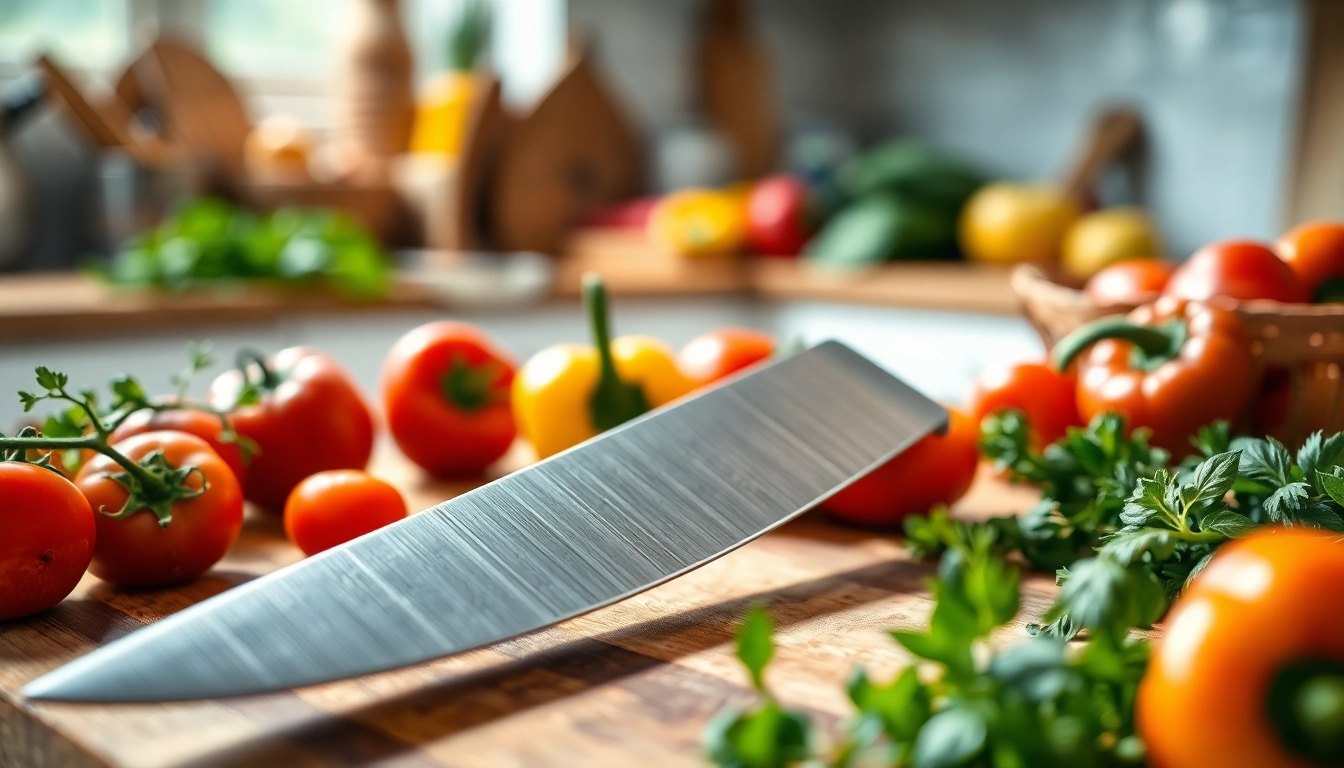
A chef's knife typically features a broad blade that tapers to a point, designed for slicing, dicing, and chopping a variety of food items. The length usually ranges from 6 to 12 inches, with the most common size being 8 inches. This versatility makes the chef's knife a favorite among both amateur cooks and culinary professionals.
Basic Components Explained
The main components of a chef's knife include:
- Blade: The blade is made from different materials, each affecting its performance, weight, and maintenance.
- Handle: A comfortable grip is crucial as it dictates control and maneuverability.
- Bolster: The bolster (the thick part between the blade and handle) provides balance and a cutting surface for sharpening.
- Tang: The tang connects the blade to the handle, contributing to the knife's overall balance and strength.
Importance of Quality Materials
The quality of materials used in a chef's knife affects its performance and longevity. High-carbon stainless steel is often viewed as the best option due to its sharpness and resistance to rust and staining. Other materials like ceramic and Damascus steel also have their place, but they come with different benefits and drawbacks.
Key Features to Consider
Blade Shape and Size
The blade's shape and size play critical roles in determining how versatile a chef's knife can be. A curved blade is ideal for rocking motions, common in chopping herbs, while a straighter edge is better for push cuts. Longer blades can handle larger items but may be unwieldy for smaller tasks. Choose a size that feels comfortable and fits your cooking style.
Handle Comfort and Grip
A knife's handle should feel like an extension of your arm, allowing for maximum control without causing fatigue. Look for materials like wood, plastic, or rubber, and consider the ergonomics of the design. Handles that feature grooves or contours can enhance grip, which is especially important during extended use.
Weight Distribution and Balance
The knife's weight and balance can significantly influence your cutting efficiency. A well-balanced knife will feel light in your hand and require less effort to maneuver. When trying out knives, hold them to assess how they feel—if a knife feels too heavy towards the blade, it can lead to discomfort over time.
Finding the Right Fit for Your Needs
How to Choose a Chef’s Knife for Beginners
As a beginner, versatility and ease of use should guide your choice. An 8-inch high-carbon stainless steel knife offers an excellent balance of size and versatility for standard kitchen tasks. It’s wise to test the knife to ensure it isn’t overly heavy or unwieldy.
Professional vs. Home Use
For professional chefs, investing in a high-quality knife designed for rigorous use is essential. This may include features like a full tang for increased strength or a specific blade finish suited to their culinary style. Home cooks can prioritize comfort and price, opting for dependable options that offer good value without compromising quality.
Understanding Your Cooking Style
Your cooking style will heavily influence your choice of a chef's knife. If you frequently prep vegetables, a wider blade will be more beneficial, while those who primarily handle meat might prefer a thinner blade for precision. Understanding what tasks you perform most often can help narrow down your options.
Maintenance and Care for Your Knife
How to Properly Sharpen a Chef’s Knife
Maintaining the sharpness of your chef's knife is vital for efficiency and safety. A dull blade can slip and cause injuries. Use a whetstone for the best results, honing your knife at a 20-degree angle. Regular touch-ups will keep your blade in optimal condition, so aim to sharpen your knife every few months depending on usage.
Cleaning and Storing Techniques
After each use, clean your chef’s knife with warm, soapy water and avoid abrasive sponges that can dull the blade. Store knives in a designated block or magnetic strip to protect their edges and ensure safety when reaching for them.
Maintaining Knife Sharpness
To prolong knife sharpness, avoid cutting on hard surfaces like glass or stone. Opt for wooden or plastic cutting boards instead. Regular, gentle honing can maintain sharpness between sharpening sessions, ensuring your knife remains capable for all culinary tasks.
FAQ: Common Questions About Choosing a Chef's Knife
What size chef's knife is best for home cooking?
The most common size for home cooks is an 8-inch chef's knife, as it offers a perfect balance of maneuverability and cutting power for various tasks.
What materials should I look for in a chef's knife?
A high-carbon stainless steel blade is ideal due to its sharpness and durability. Ensure the handle material is comfortable for prolonged use.
How do I know if a knife is balanced?
Hold the knife at the bolster (the junction of the blade and handle). If it feels comfortable and stable without tipping towards the blade or handle, it is likely well-balanced.
Should I choose a curved or straight blade?
Curved blades are excellent for rocking cuts, while straight blades excel at push cuts. Choose based on your preferred cutting technique.
How often should I sharpen my chef's knife?
Sharpness depends on usage but generally, a good rule is to sharpen your knife every few months and hone it regularly to maintain its edge.