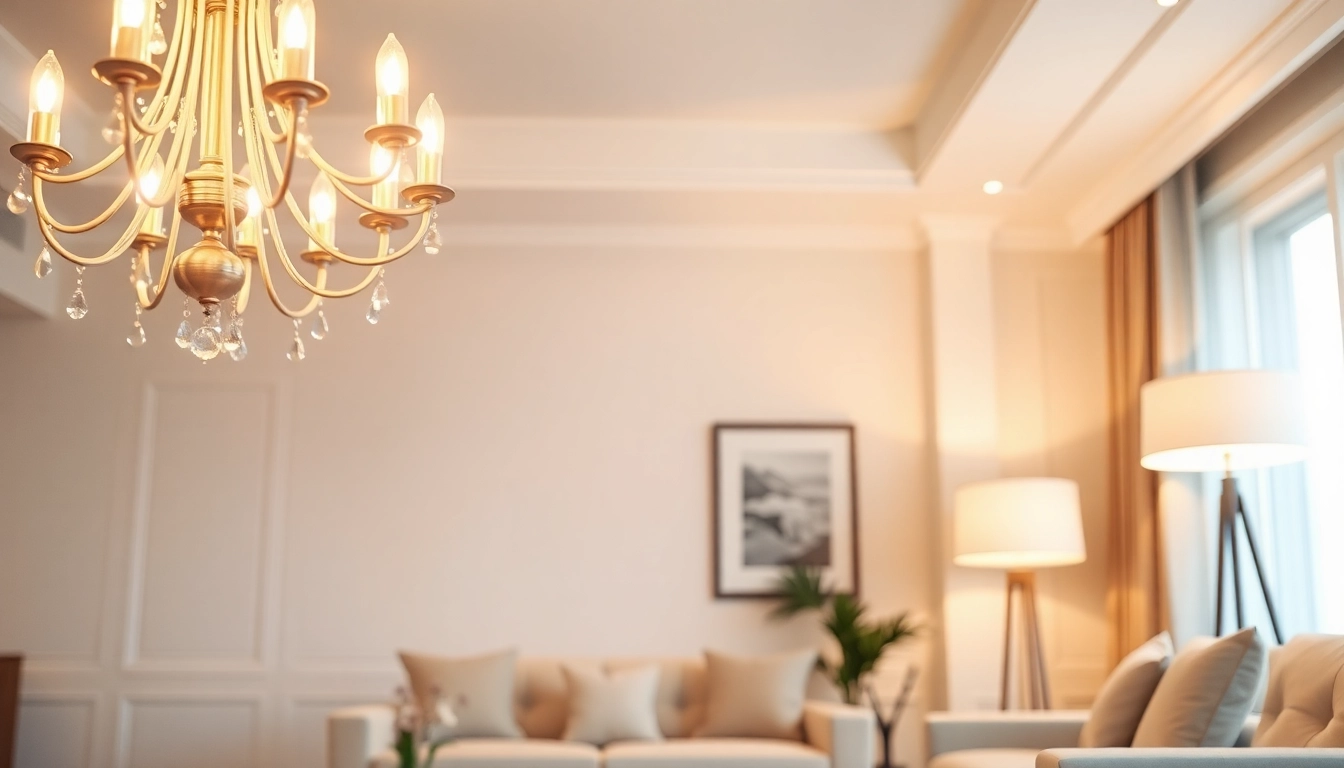
Understanding Lighting Solutions
What are Lighting Solutions?
Lighting solutions encompass a variety of products and installations designed to provide illumination for spaces ranging from residential areas to commercial settings. These solutions not only improve visibility but also enhance the aesthetic quality of environments, making them feel more welcoming and functional. By integrating lighting solutions tailored to specific needs, users can significantly elevate their overall experience in any given area.
Types of Lighting Solutions
The diversity of lighting solutions available allows users to choose options based on functionality, aesthetics, and efficiency. The primary types include:
- Ambient Lighting: This serves as the main source of light in a room, providing a uniform level of illumination without harsh shadows.
- Task Lighting: Designed for specific activities such as reading or cooking, task lighting can include desk lamps, under-cabinet lighting, and pendant lights.
- Accent Lighting: Accent lights are used to highlight particular areas or objects within a space, like artwork or architectural features, contributing to a room's overall ambiance.
- Decorative Lighting: These fixtures are chosen for aesthetic appeal, serving as design elements in themselves—chandeliers and decorative wall sconces are prime examples.
- Natural Lighting: Utilizing sunlight effectively through windows and skylights can reduce reliance on artificial lighting, promoting energy efficiency.
Benefits of Using Quality Lighting Solutions
Employing high-quality lighting solutions can confer numerous advantages:
- Enhanced Visibility: Good lighting is critical in ensuring safety and utility in both residential and commercial environments.
- Energy Efficiency: Modern lighting solutions, particularly LED technologies, consume significantly less power, resulting in lower energy costs.
- Improved Mood and Productivity: Adequate lighting can positively affect the psychology of individuals, enhancing focus and well-being.
- Design Versatility: With a variety of styles and types available, lighting solutions can be easily tailored to fit any décor or functionality requirement.
- Environmental Benefits: Many modern lighting solutions are designed with sustainability in mind, helping to reduce carbon footprints.
Choosing the Right Lighting Solutions for Your Space
Assessing Your Lighting Needs
Determining the most suitable lighting solutions requires a thorough assessment of various factors:
- Purpose of the Space: Consider what activities will take place in the area—living rooms may need soft lighting, while kitchens often require bright task lighting.
- Size of the Room: Larger spaces may require multiple sources of light to ensure even distribution and avoid dark areas.
- Existing Natural Light: Assess how much natural light enters the room throughout the day to better plan your artificial lighting needs.
- Style and Atmosphere: Identify what kind of ambiance you wish to create—cozy, bright, or dramatic—and choose lighting fixtures that align with that vision.
Popular Styles of Lighting Solutions
The aesthetic style of lighting solutions should complement the overall design theme of a space. Popular styles include:
- Modern: Characterized by clean lines and minimalism, perfect for contemporary interiors.
- Industrial: Featuring raw materials and exposed bulbs, this style offers a rugged charm suitable for lofts and offices.
- Traditional: Classic designs with ornate details, often made from metals or glass, ideal for more rustic or vintage environments.
- Farmhouse: A trend that incorporates cozy, natural materials and soft lighting for a homey feel.
- Eclectic: A mix of various styles and colors, allowing for personal expression and creativity.
Environmental Considerations in Lighting Solutions
As consumers become more aware of their environmental footprints, the demand for eco-friendly lighting solutions grows. Considerations include:
- Energy Consumption: Choosing energy-efficient bulbs, such as LEDs or CFLs, can significantly lessen energy usage.
- Material Sourcing: Opting for products made from sustainable materials contributes to a lower environmental impact.
- Smart Lighting: Integrating smart technology helps in managing energy use more efficiently by automating lighting schedules.
- Recyclability: Selecting fixtures that are recyclable at the end of their lifecycle promotes sustainability.
Installation of Lighting Solutions
DIY vs. Professional Installation of Lighting Solutions
When installing lighting solutions, homeowners often face the choice between DIY and hiring professionals. Factors to weigh include:
- Skill Level: Assess your own skills; simpler fixtures like lamps may be easy to install while complex systems should be left to experts.
- Time Commitment: DIY can be rewarding but may require a significant time investment compared to quick professional services.
- Safety Considerations: If you’re dealing with wiring and electrical installations, safety should be a priority, often necessitating professional assistance.
- Cost: Weigh the potential cost savings of DIY against the expertise and efficiency of professional installation.
Preparing Your Space for Installation
Before installing new lighting solutions, effective preparation is key:
- Plan Your Layout: Create a detailed layout for where fixtures will be placed for optimal light distribution.
- Gather Necessary Tools: Ensure you have all tools required for installation ready—this may include screwdrivers, drills, and measuring tape.
- Switch Off Power: Always ensure the power to the existing lighting is turned off at the circuit breaker to guarantee safety during installation.
- Remove Old Fixtures: If replacing, safely remove old fixtures and label wires for easier connection of new lighting solutions.
Common Mistakes to Avoid When Installing Lighting Solutions
Installation of lighting solutions can be straightforward, but pitfalls exist. Avoid these common mistakes:
- Inadequate Planning: Failing to map out the lighting layout can lead to poor illumination and an unattractive look.
- Ignoring Ceiling Height: Not considering the height of ceilings can result in wrong fixture sizes being chosen.
- Poor Wire Management: Keeping wires organized prevents hazards and extends the life of your fixtures.
- Overloading Circuits: Ensure that your circuit can handle the additional load to prevent tripping breakers.
Innovative Trends in Lighting Solutions
Sustainable Practices in Lighting Solutions
As sustainability becomes a priority in every industry, lighting solutions are no exception. Innovative practices include:
- LED Advancement: Continuous improvements in LED technology are making them more powerful and efficient.
- Solar Lighting: Utilization of solar panels for outdoor lighting underscores eco-friendly practices and energy independence.
- Efficient Manufacturing: Manufacturers are increasingly adopting sustainable processes to minimize waste and emissions during production.
Smart Lighting Solutions and Technology Integration
Smart lighting has revolutionized how we interact with our environments:
- Automation: Smart lighting can be programmed or controlled via apps, offering convenience and energy savings.
- Customization: Users can adjust color and intensity to match their mood or activity, enhancing the living or working experience.
- Energy Monitoring: Many smart systems come equipped with features that track energy consumption, promoting responsible use.
Future Directions in Lighting Solutions Design
The future of lighting solutions design is poised for innovation:
- Integration with Smart Home Systems: Lighting solutions are expected to seamlessly integrate with broader smart home ecosystems, enhancing the user experience.
- Biophilic Design: As the importance of nature in design grows, lighting solutions will increasingly mimic natural light, positively influencing well-being.
- Advanced Materials: Innovations in materials will allow for new creative designs while maintaining energy efficiency.
FAQs about Lighting Solutions
What are energy-efficient lighting solutions?
Energy-efficient lighting solutions use less energy while providing adequate illumination, such as LED and CFL bulbs.
How do I choose the best lighting for my room?
Consider the room's purpose, color scheme, and natural light to select appropriate lighting solutions that enhance the space.
Can I install lighting solutions myself?
Yes, many lighting solutions can be installed by homeowners, but complex fixtures may require professional assistance for safety.
What are smart lighting solutions?
Smart lighting solutions allow automation and remote control through smartphone apps, enhancing convenience and energy savings.
How can I improve my home's lighting solutions?
Layer lighting solutions with ambient, task, and accent lights, and choose adjustable fixtures for flexibility and functionality.