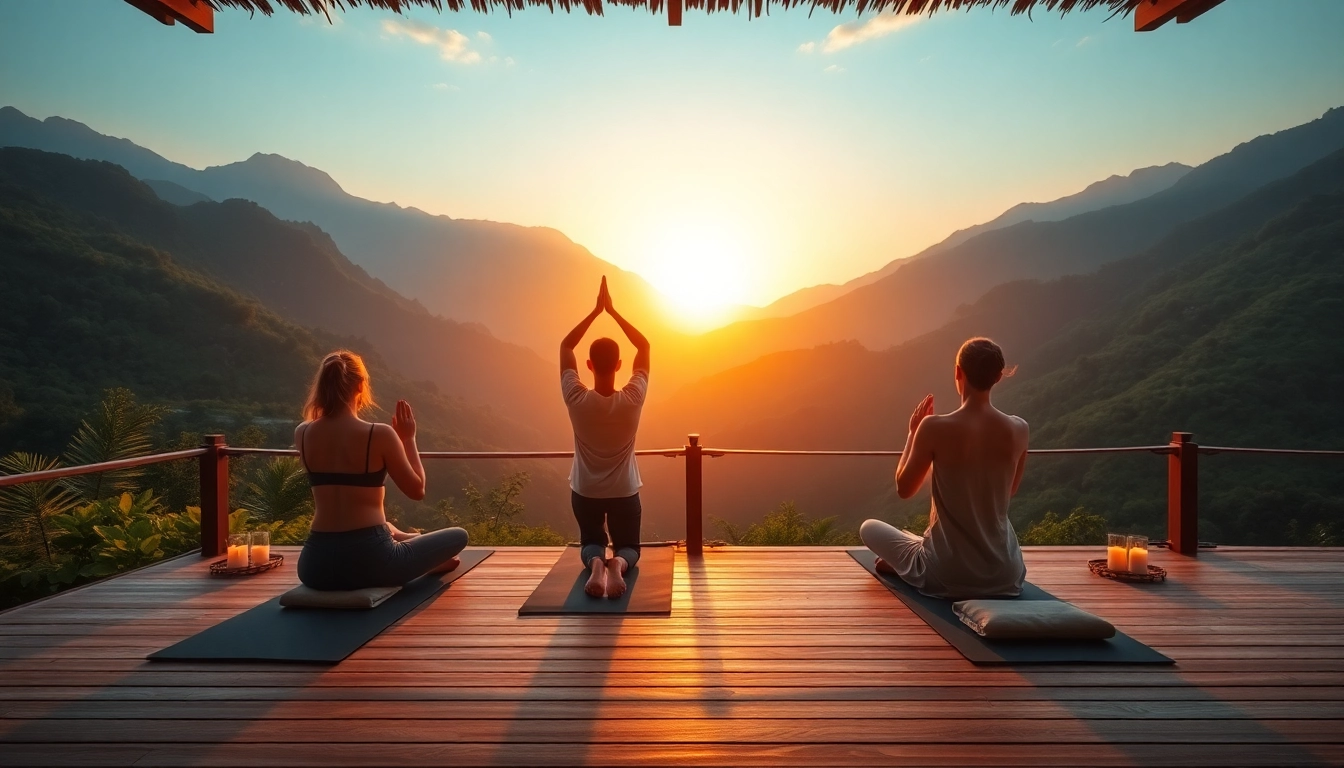
Introduction to Wellness Retreats
Definition and Purpose of Wellness Retreats
A wellness retreat is a dedicated space and time where individuals can focus on self-care, mental clarity, and overall well-being. Typically held in serene, natural environments, the purpose of a wellness retreat is to empower participants to break from their daily routines, rejuvenate their minds and bodies, and engage in activities that promote physical health, psychological balance, and spiritual growth. The essence of these retreats lies in their comprehensive approach to health, which combines relaxation, education, and personal development.
The Growing Popularity and Trends
In recent years, there has been a noticeable surge in interest surrounding wellness retreats. Factors contributing to this trend include increasing stress levels, the rise of mental health awareness, and a growing societal emphasis on holistic health approaches. Many people are seeking wellness retreats not just for a break, but as a way to reset their life priorities and rejuvenate their overall health. From silent meditation retreats to action-packed adventure getaways, today's retreats offer a variety of themes and activities catering to diverse needs and preferences.
Key Benefits of Attending a Wellness Retreat
- Stress Reduction: Immersing in a peaceful environment helps significantly lower stress levels.
- Enhanced Mental Clarity: Activities like meditation and yoga enhance focus and mindfulness.
- Physical Well-Being: Participating in fitness activities promotes physical health and boosts energy levels.
- Personal Growth: Workshops often address personal development topics leading to self-discovery.
- Community and Connection: Retreats foster connections with like-minded individuals which can lead to lasting friendships.
Preparing for a Wellness Retreat
Choosing the Right Wellness Retreat for You
Selecting the right wellness retreat can feel overwhelming given the vast number of options available. Begin by assessing your goals: Are you seeking relaxation, adventure, or personal transformation? Research various retreats, considering factors like themes (spiritual, fitness, detox), location, duration, and participant reviews. It's important to choose a retreat that aligns with your personal needs and preferences to ensure a fulfilling experience.
Essential Items to Pack for a Wellness Retreat
When preparing for a wellness retreat, consider packing items that promote comfort and enhance your experience. Essential items include:
- Yoga mat and comfortable clothing for movement practices.
- Personal journal for reflection and growth throughout the retreat.
- Reusable water bottle to stay hydrated.
- Basic toiletries and any necessary medication.
- Sunscreen and insect repellent if outdoor activities are involved.
Mental and Emotional Preparation
Pre-retreat mental and emotional readiness is crucial for maximizing your experience. Set an intention for your time away; this could be a dedication to self-discovery, stress relief, or simply being present. Engaging in mindfulness practices before arriving can help ease the transition and enhance your receptivity to the retreat's offerings.
Activities and Experiences at a Wellness Retreat
Yoga and Meditation Practices
At the heart of most wellness retreats are yoga and meditation. These practices not only improve flexibility and physical health but also foster mental clarity and emotional balance. Each morning typically begins with a tailored yoga session, followed by guided meditation techniques, which help center participants and prepare them for the day ahead.
Workshops and Educational Sessions
Workshops inherently connected to wellness topics are commonplace at retreats, covering subjects like nutrition, stress management, holistic healing, and self-care strategies. These sessions are often led by experts in their respective fields and provide attendees with actionable insights and tools they can incorporate into their daily lives once they return home.
Nature and Outdoor Adventures
Many wellness retreats leverage their serene locations to incorporate nature into the experience. Activities such as hiking, kayaking, or nature walks offer a chance for physical activity while connecting with the surrounding environment. These experiences not only promote physical health but also stimulate mental well-being through the calming effects of nature.
Lasting Impacts After the Wellness Retreat
Integrating Wellness Practices into Daily Life
Returning from a wellness retreat can often leave individuals feeling refreshed but faced with the challenge of maintaining that newfound energy. A key strategy for sustaining that positive impact is integrating wellness practices into daily routines, such as setting aside time for yoga, meditation, or journaling each day. Building these habits gradually can lead to a more balanced lifestyle.
Maintaining Connections with Retreat Participants
The friendships formed during a wellness retreat can be significant for personal growth. Staying connected with fellow participants through social media, group messages, or regular meet-ups can create a support system that reinforces the positive changes initiated during the retreat.
Tracking Personal Growth and Transformation
Documenting your progress after the retreat can help in recognizing the changes made in your life. Maintaining a journal or setting goals can assist in tracking personal growth, reminding you of the commitment made to maintain your wellness journey, and celebrate achievements along the way.
FAQ about Wellness Retreats
What is typically included in a wellness retreat?
A typical wellness retreat includes accommodations, meals, wellness activities (like yoga and meditation), workshops, and access to amenities like pools or saunas.
How do I choose the right wellness retreat for my needs?
Consider your goals, such as relaxation or skill development, review different retreat themes, locations, and participant feedback to find the perfect fit.
Are wellness retreats suitable for beginners?
Yes, many wellness retreats cater to all experience levels and often include introductory sessions, making them suitable for both beginners and experienced practitioners.
What are the costs associated with wellness retreats?
Costs can vary widely based on location, accommodation type, and duration but typically range from moderate to high prices, often covering meals and activities.
How can a wellness retreat benefit my mental health?
By providing a sanctuary from daily stressors, wellness retreats help participants improve their mental health through relaxation, mindfulness practices, and comprehensive support.