Understanding Commercial Roofing Services
What are Commercial Roofing Services?
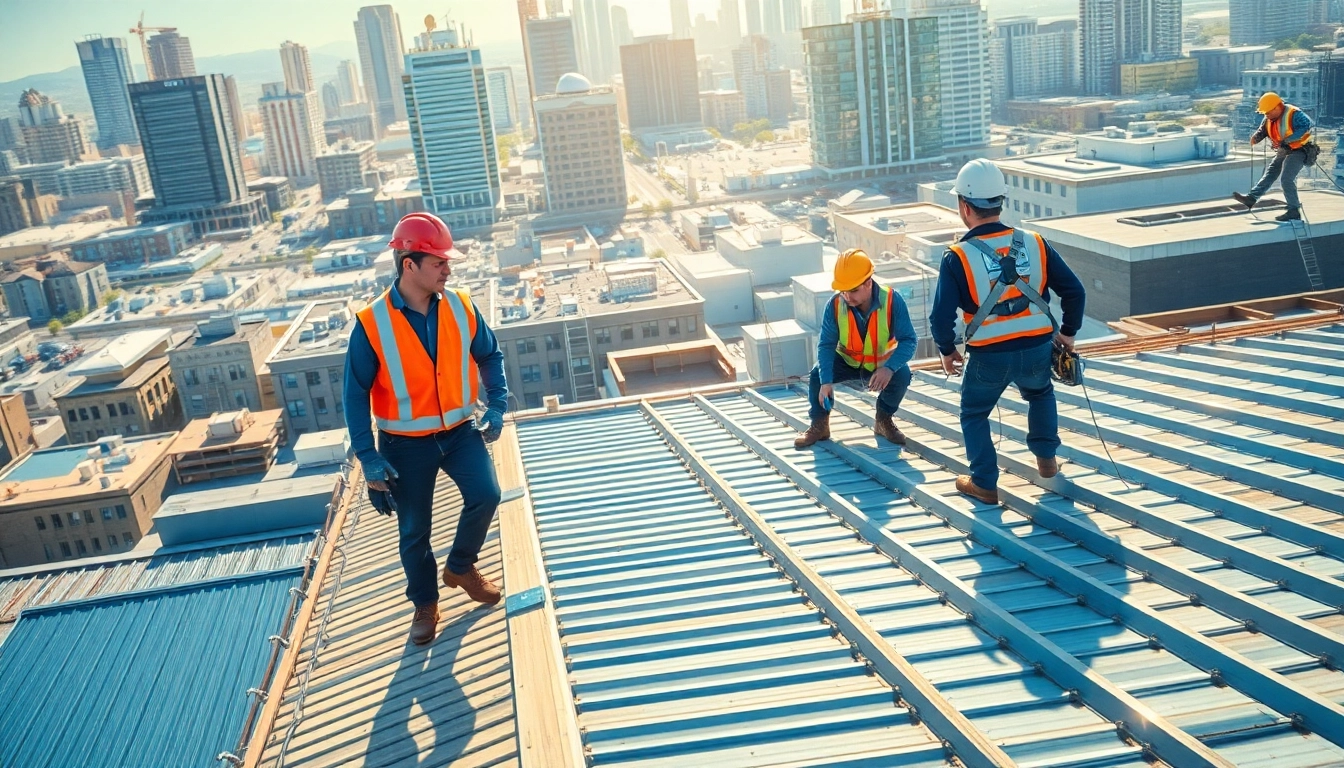
Commercial roofing services encompass a wide range of solutions designed to address the unique needs of businesses, organizations, and institutions. Unlike residential roofing, which typically focuses on individual homes, commercial roofing involves larger scale projects that often require specialized expertise, materials, and equipment. These services can include roof installation, repair, maintenance, and inspection, aimed at ensuring the longevity and functionality of a building’s roofing system.
Businesses invest significantly in their infrastructure, making it essential to understand the role of effective roofing in protecting physical assets. Among the various options available, businesses must select roofs that provide adequate durability, energy efficiency, and weather resistance, tailored to the specific requirements of their operations. For detailed insights on these offerings, consider exploring commercial roofing services.
Importance of Quality Roofing for Businesses
Quality roofing is the backbone of any commercial building. It protects the interior structures from adverse weather conditions, such as rain, snow, and wind, and helps maintain a comfortable environment for employees and clients. A well-maintained roof can prevent leaks and water damage, safeguarding crucial equipment, inventory, and personal property.
Moreover, a solid roofing system contributes positively to the overall aesthetic appeal of a business, potentially enhancing its brand image. In commercial real estate, this can translate into higher property values and increased marketability. Lastly, quality roofing can lead to significant energy savings by improving insulation and reducing heating and cooling costs, making it a smart investment for any business owner.
Types of Commercial Roofs and Their Benefits
Various types of roofs are available for commercial buildings, each with distinct advantages:
- Flat roofs: Common in urban settings, flat roofs are easier and more cost-effective to install. They provide a space for HVAC units and rooftop gardens and can aid in water drainage.
- Metal roofs: Known for their durability and longevity, metal roofs provide excellent protection against the elements while offering energy efficiency. They are recyclable and can be a sustainable choice for many businesses.
- Single-ply membranes: Lightweight and flexible, single-ply membranes, such as TPO and EPDM, are highly resistant to UV exposure and maintain their integrity over time. They are ideal for flat roofs and are often more affordable than traditional roofing materials.
- Built-up roofs (BUR): These are manufactured by layering different materials to create a robust roof. BUR systems are highly resistant to severe weather conditions and have a long lifespan.
- Tiled roofs: Often favored for their aesthetic appeal, tiled roofs can provide excellent longevity and weather resistance, though they typically require a stronger structural support due to their weight.
Choosing the Right Commercial Roofing Services
Key Factors to Consider When Selecting Services
When selecting commercial roofing services, several crucial factors should guide your decision:
- Experience and reputation: Look for companies that have a proven track record in the commercial sector. Reviews, testimonials, and case studies can provide insights into their reliability and quality of service.
- Certifications and licenses: Ensure that any contractor you consider is fully licensed and insured. Certifications from roofing material manufacturers can also be an indicator of a contractor's professionalism and commitment to quality.
- Service offerings: Evaluate whether the company provides comprehensive services, including installation, repair, maintenance, and emergency services. A one-stop-shop can simplify your management of roofing needs.
- Cost transparency: Obtain detailed estimates that outline the scope of work, materials to be used, labor costs, and any additional fees. This helps to avoid surprise expenses later on.
- Warranty coverage: Understand the warranties offered for both materials and workmanship, as these could significantly affect the long-term value of your investment.
Questions to Ask Potential Roofing Contractors
Before making a selection, it's vital to ask potential contractors the right questions to assess their suitability:
- What is your experience with commercial roofing projects similar to mine?
- Can you provide customer references and examples of past work?
- What is your process for handling unexpected issues or changes in the project?
- What safety protocols do you implement to protect workers and my property during the roofing process?
- How do you ensure quality assurance and compliance with local building regulations?
Evaluating Contractor Qualifications and Experience
Evaluating potential contractors' qualifications is a critical step in securing reliable commercial roofing services. Verify their credentials, including their business license and insurance information, to ensure they are authorized to operate in your area. Experience plays a significant role in determining the quality of service you can expect; contractors with a lengthy portfolio in commercial roofing will likely provide better insights into material selections and project management.
Moreover, consider contractors affiliated with professional organizations, which often means they adhere to industry standards and practices. Such affiliations also keep them informed about the latest trends and technologies in roofing, ensuring that you receive the best possible service and solution.
Common Challenges in Commercial Roofing
Identifying Roofing Issues Early On
Early identification of roofing issues can mitigate costly repairs and extensive damage in the future. Regular inspections are crucial, as they can reveal problems such as leaks, damaged flashing, or pooling water before they escalate into significant repairs. Educating facility managers and staff about the signs of roofing issues can facilitate early detection. This may include water stains on ceilings, increased energy bills, or visible wear in roofing materials.
Weather Impact on Commercial Roofs
Commercial roofs face various weather-related challenges, including heavy rain, snow accumulation, and high winds. Each of these factors can accelerate wear and reduce the lifespan of roofing materials. Property owners must consider the local climate and seasonal weather patterns when designing and maintaining roofs. Implementing preventive maintenance strategies, such as cleaning gutters and ensuring proper drainage systems, can help mitigate the adverse effects of weather.
Managing Costs and Budgeting for Maintenance
Budgeting for commercial roofing costs requires a strategic approach, factoring in both short-term repair expenses and long-term maintenance planning. Understanding the total cost of ownership—beyond the initial installation—can help business owners manage expenses effectively. Prioritizing regular inspections and maintenance can extend the life of a roof, ultimately saving money over time. Responsive budgeting that anticipates potential repairs based on the age and condition of the roof can also enhance financial preparedness.
Best Practices for Maintaining Your Roof
Routine Inspections and Preventative Measures
Routine inspections are essential for maintaining the integrity of commercial roofs. Establish a regular inspection schedule—typically twice a year—and after major weather events. Inspections can help identify small issues before they evolve into costly repairs. During these inspections, qualified professionals should check for signs of wear, the condition of flashing, and the integrity of seams and joints.
Additionally, implementing preventative measures, such as maintaining roof drainage systems and cleaning debris from surfaces, can extend the lifespan of the roof. Ensuring that nearby trees are trimmed can also prevent leaves and branches from accumulating, which could lead to moisture retention and mold growth.
Hiring Professional Maintenance Services
While it may be tempting to handle roof maintenance internally, hiring professional services can provide greater peace of mind. Experienced roofing contractors have the training to spot significant issues and provide solutions that may be overlooked by less trained eyes. Furthermore, utilizing professionals can reduce the risk of injury or damage during maintenance activities.
These services can also provide warranties that cover the work performed, helping to protect against future expenses related to improper maintenance or repairs.
Understanding Warranty Coverage and Claims
Understanding warranty coverage is critical for any business that invests in roof installation or repair. Vague warranty terms can lead to misunderstanding, especially concerning what is included and what is not. Make sure to review the warranty thoroughly, discussing any ambiguous terms with your roofing contractor. Building relationships with these contractors can also simplify the claims process, should an issue arise.
Documenting all maintenance work and retaining records of inspections can bolster warranty claims, demonstrating that proper care has been taken in maintaining the roof.
Future Trends in Commercial Roofing Services
Innovative Materials and Technologies
The commercial roofing industry continually evolves, bringing new materials and technologies to market. Innovations such as cool roofing systems, which reflect sunlight and reduce heat absorption, are becoming increasingly popular for their energy-saving potential. Additionally, advanced insulation materials can enhance thermal performance, further contributing to energy efficiency.
Other trends include the integration of smart technologies that allow for real-time monitoring of roofing systems through sensors, helping facility managers receive alerts about issues before they become apparent. As these technologies expand, businesses that adopt them can enjoy increased efficiency and cost savings.
Eco-Friendly Roofing Solutions
With growing environmental concerns, eco-friendly roofing solutions are on the rise. Many businesses are now adopting green roofs that include vegetation, which helps absorb rainwater, reduce heat, and promote biodiversity. Additionally, the use of recycled and sustainable materials in roofing systems is becoming increasingly popular as companies strive to decrease their ecological footprint.
Further developments in energy-efficient roofing can also help companies reduce energy consumption, significantly impacting their overall sustainability goals.
Impact of Regulations on Commercial Roofing Services
As environmental standards become more stringent, commercial roofing services must adapt to comply with new regulations. Understanding local codes and requirements can ensure that roofing projects meet governmental standards and contribute to overall environmental objectives. Staying informed about these regulations can also aid in selecting appropriate materials and services that comply with best practices in the industry.
Overall, the future of commercial roofing presents numerous opportunities for businesses to enhance their building's durability, energy efficiency, and aesthetic appeal, ensuring they remain competitive in an ever-evolving marketplace.