
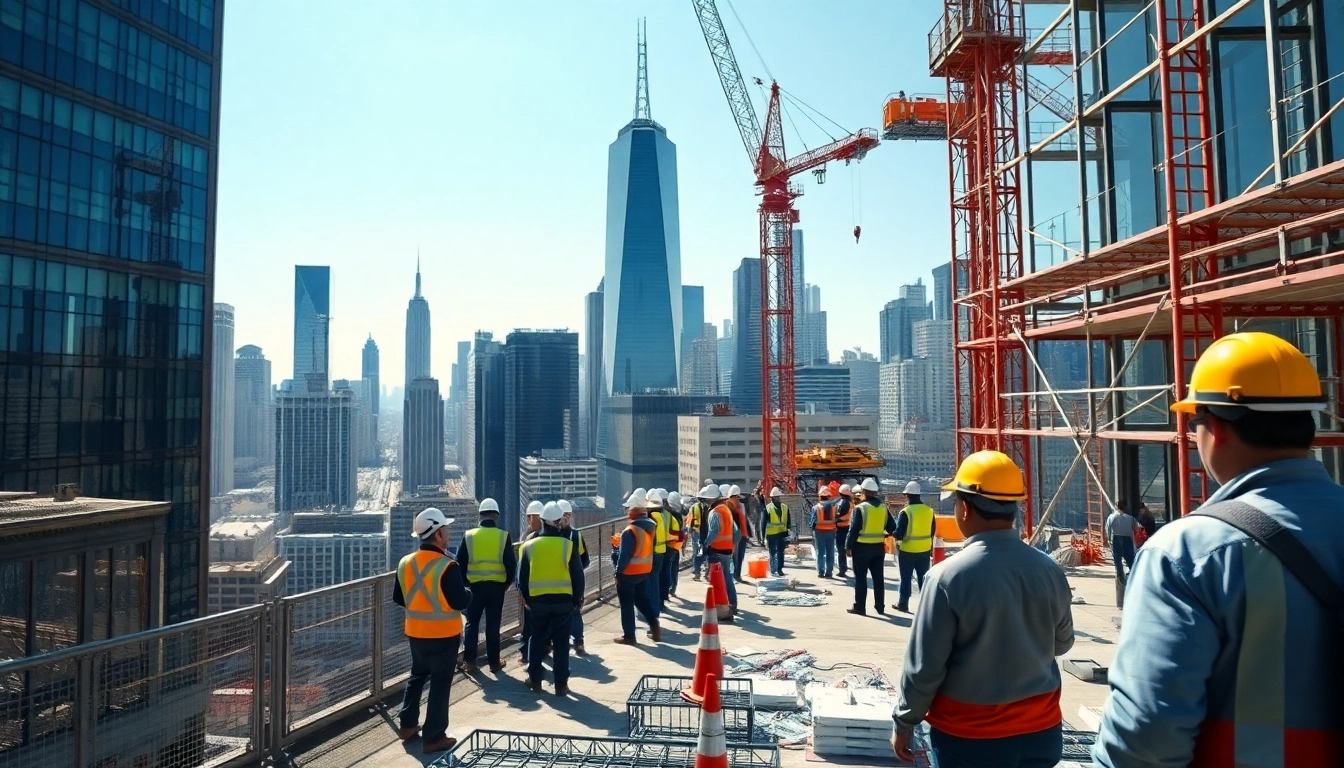

Understanding the Role of a New York Commercial General Contractor
The construction industry in New York is a bustling arena marked by a diverse array of projects, ranging from high-rise skyscrapers to intricate renovations. As a key player in this landscape, the New York Commercial General Contractor plays essential roles that extend beyond mere project execution. This article delves into the multifaceted responsibilities of general contractors, their skillsets, the challenges they face, best practices for success, and emerging trends shaping the future of commercial construction in New York.
Defining Key Responsibilities and Duties
Commercial general contractors coordinate and oversee construction projects from inception to completion. Their primary responsibilities include:
- Project Planning and Scheduling: Developing detailed project timelines and ensuring that the work proceeds according to schedule.
- Budget Management: Monitoring costs and managing the budget to avoid overruns while making strategic decisions about resource allocation.
- Subcontractor Coordination: Hiring, managing, and overseeing subcontractors to ensure quality standards and project requirements are met.
- Permitting and Compliance: Navigating the regulatory landscape to secure necessary permits and ensure compliance with local building codes and regulations.
- Quality Assurance: Implementing processes to maintain construction quality and safety throughout the project lifecycle.
Importance of Licensing and Regulations
In New York, commercial general contractors must be licensed and adhere to stringent regulatory standards set forth by local and state authorities. Licensing verifies that contractors possess the necessary skills and knowledge to carry out construction safely and efficiently. Compliance with regulations not only protects the interests of clients but also minimizes legal risks and enhances the contractor’s credibility in the industry. It is essential for contractors to stay updated on any changes in laws, zoning requirements, and safety standards to maintain operational integrity.
How to Choose the Right Contractor
Selecting the right commercial general contractor is crucial for project success. Here are several factors to consider:
- Experience: Look for contractors with a proven track record of completing similar projects on time and within budget.
- Reputation: Research feedback from previous clients and seek recommendations to gauge trustworthiness and reliability.
- Communication Skills: A contractor should communicate clearly and regularly with clients and stakeholders to keep everyone informed about project progress.
- Financial Stability: Assess the contractor’s financial health to ensure they can manage project costs effectively.
- Safety Record: Inquiry about the contractor’s safety programs and incident history to ensure a commitment to maintaining a safe work environment.
Essential Skills for a New York Commercial General Contractor
The role of a New York commercial general contractor demands a diverse set of skills to navigate the complexities of construction projects. Essential skills include:
Project Management and Planning Techniques
Effective project management is at the heart of successful construction. General contractors are tasked with creating detailed project plans, including timelines, resource allocation, and workflow processes. Techniques such as Gantt charts, critical path method (CPM), and agile project management can aid in optimizing these plans, allowing contractors to adapt swiftly to changes in project scope or unforeseen challenges.
Communication Skills for Stakeholder Engagement
With multiple stakeholders involved, from clients and architects to subcontractors and regulatory bodies, strong communication skills are essential. General contractors must convey complex information clearly, actively listen to concerns, and facilitate collaboration among all parties involved in the project. Mastering various communication channels—such as meetings, emails, and on-site briefings—enhances transparency and builds trust.
Technical Knowledge and Expertise
Technical expertise in construction methods, materials, and building technology provides a competitive edge. A successful general contractor must grasp structural engineering principles, construction software tools, and sustainable building practices. Ongoing education and training can help contractors stay current with industry changes, including advancements in materials and construction techniques, which ultimately lead to improved project outcomes.
Challenges Faced by New York Commercial General Contractors
The construction landscape in New York presents unique challenges that can complicate project execution. Some of the most prominent challenges include:
Navigating Urban Regulations and Codes
New York City is known for its intricate regulatory environment, which includes zoning laws, safety requirements, and environmental regulations. Commercial general contractors must possess a thorough understanding of these regulations and maintain relationships with regulatory agencies. This knowledge enables them to expedite the permitting process and minimize delays caused by compliance issues.
Dealing with Supply Chain Disruptions
The global supply chain has experienced turbulence, leading to delays in material availability and increased costs. Contractors must develop strategies to mitigate these disruptions, such as diversifying suppliers, establishing contingency plans, and pursuing local sourcing options. Adapting to supply chain changes minimizes project risks and enhances overall responsiveness.
Managing Workforce Dynamics in Construction
The construction industry often faces a shortage of skilled labor, alongside challenges related to workforce retention and morale. To address these issues, general contractors should invest in training programs, promote a positive work culture, and ensure fair compensation to attract and retain top talent. Engaging the workforce in continuous learning helps foster innovation and keeps the project on track.
Best Practices for Successful Project Execution
Implementing best practices not only enhances project outcomes but also positions general contractors as respected leaders in the industry. Here are several best practices to follow:
Implementing Effective Cost Management Strategies
To ensure that projects remain within budget, contractors should employ robust cost management strategies. This entails accurate project estimation, continual monitoring of expenditures, and regular budget revisions based on project progress. Utilizing software tools for financial management can streamline cost tracking, foresee budget overruns, and support informed decision-making related to resource allocation.
Utilizing Technology Tools for Efficiency
The construction industry has witnessed a technological revolution that facilitates improved efficiency through the use of project management software, Building Information Modeling (BIM), and mobile applications. Embracing these tools allows contractors to streamline workflows, enhance collaboration, and improve project visualization, leading to better planning, execution, and client satisfaction.
Ensuring Quality Control and Safety Standards
Maintaining high-quality standards and ensuring workplace safety are paramount in construction. General contractors can implement quality management systems and safety protocols, such as regular inspections, employee training on safety practices, and compliance monitoring to achieve safety goals. Quality control measures not only safeguard the workforce but also contribute to superior project delivery.
Future Trends in the New York Commercial Construction Industry
The commercial construction industry in New York is evolving, influenced by new trends that shape operational strategies and project methodologies. Key trends to watch include:
Adoption of Sustainable Building Practices
With increased demand for environmentally-friendly construction, commercial general contractors are integrating sustainable building practices into their projects. This includes utilizing eco-friendly materials, optimizing energy efficiency, and implementing waste-reduction strategies. Understanding and adhering to green building certifications, such as LEED, positions contractors as frontrunners in sustainable construction.
Impact of Technology on Construction Methods
Advancements in technology, such as artificial intelligence (AI), virtual reality (VR), and drones, are transforming how projects are planned and executed. These innovations improve design accuracy, enhance project monitoring capabilities, and provide real-time data analytics. By adopting these technologies, contractors can optimize processes, increase efficiency, and ensure projects are delivered to higher standards.
Emerging Markets and Opportunities
As urban development flourishes, new markets are emerging within the commercial construction sector. Opportunities abound in sectors like healthcare, education, and retail, calling for specialized expertise to meet evolving client needs. Identifying these trends and adapting strategies accordingly can lead to successful project acquisition and enhance a contractor’s competitive positioning.
In summary, the role of a New York commercial general contractor is complex and requires a blend of project management, technical knowledge, and skillful navigation of regulatory landscapes. By understanding their responsibilities, focusing on essential skills, acknowledging challenges, implementing best practices, and staying attuned to industry trends, contractors can excel in this competitive environment and contribute to the sustainable growth of New York’s construction landscape.