
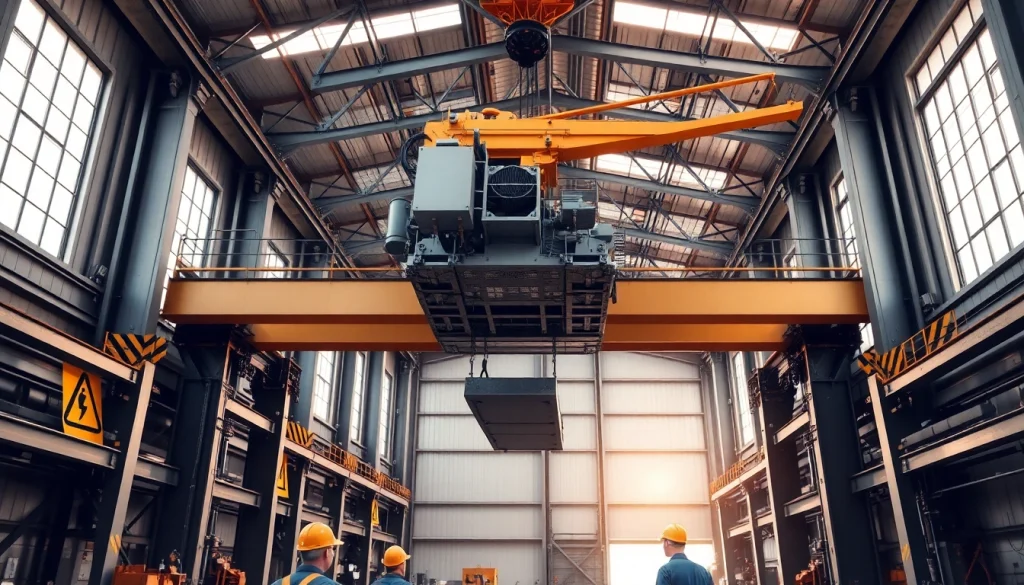
Understanding the Bridge Crane: Definition and Functionality
Bridge cranes are essential components in modern industrial operations, serving as vital lifting solutions that enhance productivity and efficiency. These machines enable the movement of materials across expansive workspaces, making them indispensable for various sectors, including manufacturing, shipping, and construction. With their ability to transport heavy loads effortlessly, understanding the intricacies of bridge cranes is crucial for optimizing operations. When exploring options, bridge cranes provide comprehensive insights into the latest innovations and capabilities within this industry.
What is a Bridge Crane?
A bridge crane, often referred to as an overhead crane, consists of a bridge beam that runs along two parallel rails or runways, enabling it to traverse an entire workspace. This design allows for maximum coverage, facilitating the secure movement of goods and materials from one location to another. Typically found in industrial settings, these cranes can handle significant weights, making them suitable for heavy-duty lifting tasks. They come equipped with various hoisting mechanisms and can be operated manually or with automated systems, depending on the complexity of the operations.
Key Components of Bridge Cranes
Understanding the structure of a bridge crane is essential for ensuring its effective operation. Key components include:
- Bridge Beam: The main horizontal component that carries the hoist.
- Hoist: This device lifts and lowers the load, typically powered by electric motors.
- Runways: The tracks along which the bridge beam moves, often installed along the factory ceiling or on support columns.
- End Trucks: Located at both ends of the bridge, they help in connecting the crane to the runways.
- Control System: This includes both manual controls and automated systems that manage the crane’s movements.
Each of these components plays a crucial role in the crane’s overall functionality, safety, and efficiency.
Common Applications of Bridge Cranes in Industry
Bridge cranes are utilized across a wide range of industries due to their versatility. Some of the most common applications include:
- Manufacturing: Used to lift raw materials, components, and finished products during production.
- Warehouse Operations: Essential for the quick and efficient movement of goods across expansive warehouses.
- Shipping/Logistics: Facilitating the transfer of heavy loads onto and off of transport vessels.
- Construction: Employed to move heavy construction materials, such as steel beams and concrete blocks.
Each of these applications highlights the importance of selecting the right bridge crane to meet specific operational needs and improve efficiency.
Choosing the Right Bridge Crane for Your Operations
When selecting a bridge crane for your operations, several factors must be considered. The right choice not only enhances productivity but also ensures safety and cost-effectiveness. This section will delve into the crucial components you need to evaluate before making your selection.
Factors to Consider: Load Capacity and Span
Determining the load capacity and span of your bridge crane is critical for its effective operation. Key considerations include:
- Load Capacity: Assess the maximum weight that needs to be lifted. This will influence your choice of crane size and type.
- Span: The distance between the runway beams will determine how much area the crane can cover. Consider the layout of your facility when evaluating span requirements.
- Usage Frequency: Higher usage rates may necessitate cranes built for heavy-duty applications, ensuring they can withstand consistent operation.
Investing in a crane tailored to your specific capacity and span requirements is vital for optimizing workflow.
Bridge Crane Design Types: Which is Best for You?
Bridge cranes come in various designs, each suited for different applications. The main types include:
- Single Girder Cranes: Typically lighter and more cost-effective, ideal for lower capacities and smaller spaces.
- Double Girder Cranes: More robust and capable of handling heavier loads, suitable for larger industrial applications.
- Freestanding Cranes: These do not require ceiling-mounted support, offering flexibility in installation.
- Integrated Cranes: Designed to be part of an automated system, ideal for high-efficiency operations.
Understanding the differences between these types will help you select a bridge crane that aligns with your operational needs.
Evaluating Vendor Options: Quality vs Cost
Choosing a reliable vendor for your bridge crane is as critical as selecting the appropriate design. Consider the following factors when evaluating vendors:
- Reputation: Look for vendors with a proven track record in the industry.
- Quality Assurance: Ensure the vendor adheres to safety standards and quality certifications.
- After-Sales Support: Consider the level of maintenance and support the vendor offers post-purchase.
- Cost vs Performance: While cost is a significant factor, it should not outweigh quality and reliability. Opt for vendors that provide the best overall value.
Doing thorough research and comparing multiple options will help you make an informed decision about the vendor that best meets your needs.
Implementing Bridge Cranes: Installation and Safety Best Practices
Effective installation and adherence to safety protocols are paramount in ensuring the successful operation of bridge cranes. This section outlines key aspects of implementation.
Site Preparation and Structural Considerations
Before installing a bridge crane, proper site preparation is essential. Key considerations include:
- Floor Strength: Ensure that the installation site can support the crane’s weight and operational loads.
- Space Requirements: Analyze the area for adequate space to maneuver and operate the crane efficiently.
- Structural Integrity: Ensure that existing infrastructure can support the additional loads imposed by the crane.
Consulting with structural engineers and crane experts can help ensure that your installation is safe and effective.
Safety Measures When Operating Bridge Cranes
Safety is a top priority when operating bridge cranes. Here are best practices to observe:
- Regular Inspections: Conduct routine safety checks to ensure all components are functioning correctly.
- Use Proper Controls: Ensure operators are familiar with the crane’s controls and emergency procedures.
- Load Limits: Always adhere to specified load limits to prevent accidents and equipment failure.
Implementing these safety measures will help create a secure working environment and minimize the risk of incidents.
Training Operators: Ensuring Safe Practices
Training is crucial for ensuring that operators can effectively and safely manage bridge cranes. Essential components of an operator training program should include:
- Hands-On Training: Practical experience with the crane under the guidance of experienced operators.
- Safety Protocols: Instruction on safety practices, emergency procedures, and proper loading techniques.
- Regular Refresher Courses: Ongoing training to keep operators updated on best practices and new technology.
Well-trained operators are essential for maintaining safety standards and operational efficiency.
Maintenance Strategies for Optimal Bridge Crane Performance
To ensure the longevity and reliability of your bridge crane, a robust maintenance strategy is essential. Regular maintenance can prevent breakdowns and enhance operational efficacy.
Routine Inspection Procedures for Bridge Cranes
Regular inspections are vital for identifying potential issues before they escalate. Key inspection procedures include:
- Visual Inspections: Check for any visible signs of wear, damage, or corrosion.
- Mechanical Inspections: Examine all moving parts and mechanisms for smooth operation.
- Electrical Inspections: Ensure all electrical components are functioning correctly and safely.
Following a structured inspection schedule will help catch issues early, improving safety and reliability.
Identifying Common Issues and Troubleshooting Tips
Being able to identify common issues and implementing effective troubleshooting strategies is key to maintaining operational efficiency. Some common problems include:
- Inconsistent Performance: Often due to worn gear or improper lubrication.
- Electrical Failures: Check for loose connections or blown fuses.
- Physical Obstructions: Ensure that the crane’s path is clear of debris and obstacles.
Understanding these issues will enable operators and maintenance personnel to respond swiftly, minimizing downtime.
Enhancing Longevity: Best Maintenance Practices
To maximize the lifespan of your bridge crane, consider these maintenance best practices:
- Schedule Regular Maintenance: Adhere to a routine maintenance schedule that includes both inspections and servicing.
- Use Quality Parts: When replacing parts, opt for genuine components to ensure compatibility and reliability.
- Document Maintenance Activities: Keep records of all inspections, repairs, and preventive measures taken.
By following these practices, you can enhance the longevity and reliability of your bridge crane.
Future Trends in Bridge Cranes: Innovations for 2025 and Beyond
As we look forward to the future, the bridge crane industry is poised for several exciting innovations that will redefine operational efficiencies and capabilities.
Adopting Smart Technology: IoT and Automation
The integration of IoT devices in bridge cranes is revolutionizing operations. Key advancements include:
- Real-Time Monitoring: Sensors can provide real-time data on crane performance, enhancing predictive maintenance capabilities.
- Automated Operations: Automation can improve efficiency by minimizing human error and optimizing load handling.
- Data Analytics: Utilizing data analytics can improve decision-making, ensuring that the crane operates at peak efficiency.
These advancements not only enhance productivity but also significantly improve safety overall.
Sustainability in Bridge Crane Manufacturing
As businesses increasingly focus on sustainability, manufacturers are adopting greener practices in the production of bridge cranes. This includes:
- Recyclable Materials: Using sustainable materials that minimize environmental impact.
- Energy-Efficient Designs: Cranes designed to consume less energy during operation.
- Lifecycle Management: Developing cranes with longer lifespans and lower operational costs.
Embracing these sustainable practices can help reduce a company’s overall environmental footprint.
Predictions for Industry Evolution and Adaptation
Looking ahead, we can expect the bridge crane industry to undergo significant changes driven by technological advances and market demands. Anticipated trends include:
- Increased Customization: More companies will seek tailored solutions to optimize their specific operational needs.
- Enhanced Safety Regulations: Stricter safety standards will likely emerge, compelling manufacturers to innovate.
- Globalization: As industries expand globally, the demand for bridge cranes will continue to rise, necessitating innovative designs to meet diverse requirements.
Being aware of these trends will allow businesses to remain competitive and adaptable in a rapidly evolving market.