
What Does Chipotle Taste Like and Why Fans Love It
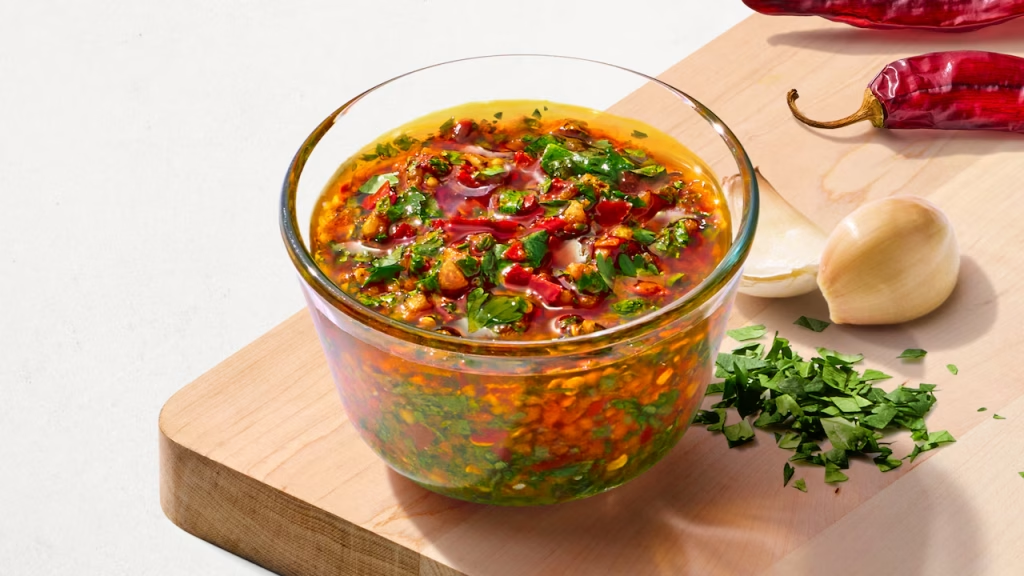
Chipotle has become a culinary favorite across the globe, known for its distinct smoky and spicy flavor that transforms ordinary dishes into unforgettable meals. But many people wonder, what does chipotle taste like? In this article, we will explore the flavors, sensations, and reasons why Chipotle has such a devoted following.
Understanding the Basics: What Does Chipotle Taste Like
The Smoky Essence of Chipotle
Chipotle is a smoked and dried jalapeño pepper, giving it a unique smoky flavor. Unlike fresh jalapeños, Chipotle carries a rich, roasted aroma that adds depth to dishes. When you bite into food seasoned with Chipotle, the smokiness is often the first sensation, providing a warm, earthy undertone that enhances both meats and vegetables.
The Heat Factor
While Chipotle is known for its spice, it is not overwhelmingly hot. It delivers a mild to medium heat that gradually builds, making it accessible for many palates. The heat is balanced by the natural sweetness of the roasted pepper, creating a flavor profile that is both spicy and subtly sweet.
Flavor Complexity: Beyond Smoke and Spice
Sweet Notes
Chipotle peppers develop a natural sweetness during the smoking process. This subtle sugary note complements the heat, adding a layer of complexity to every bite. For instance, when added to a barbecue sauce, Chipotle elevates the sauce with smoky sweetness that enhances the meat’s flavor without overpowering it.
Earthy Undertones
The smoking process also gives Chipotle an earthy, almost woody taste. This earthiness works well in stews, soups, and chili dishes, providing a grounding flavor that balances the spicy and smoky notes.
Umami-Rich Profile
Chipotle carries an umami quality, which is a savory flavor often described as “meaty” or “full-bodied.” This umami effect makes dishes feel richer and more satisfying, which is one reason fans of Chipotle often describe it as deeply flavorful and addictive.
Culinary Uses: Experiencing What Chipotle Taste Like in Real Dishes
Meat Dishes
Chipotle shines in grilled or roasted meats. For example, Chipotle-seasoned chicken or beef gains a smoky depth that enhances the natural flavors of the protein. Fans often mix Chipotle with lime juice and garlic to create marinades that intensify the taste experience.
Vegetarian and Vegan Dishes
Even in vegetarian dishes, Chipotle’s smoky, slightly spicy taste can elevate flavors. Roasted vegetables, beans, and rice take on a hearty and satisfying profile when seasoned with Chipotle, proving its versatility beyond meat dishes.
Sauces and Condiments
Chipotle is also popular in sauces, salsas, and dressings. Chipotle mayonnaise or chipotle salsa adds a punch of flavor to sandwiches, tacos, and salads. The combination of heat, smokiness, and subtle sweetness makes it a fan favorite in these applications.
How Fans Describe the Flavor
Balanced Heat
Fans often describe Chipotle as having “just the right amount of heat.” It isn’t overpowering, which makes it suitable for a wide range of dishes and diners. People who are sensitive to spice can still enjoy its smoky flavor without discomfort.
Comforting Smoke
The smoky taste evokes comfort and heartiness. It is often associated with grilled and roasted foods, creating a sense of warmth and satisfaction in every bite.
Versatility in Cooking
Another reason fans love Chipotle is its versatility. From tacos and burritos to soups and roasted vegetables, its flavor enhances almost any dish. The combination of smoky, sweet, spicy, and umami notes allows chefs and home cooks to experiment creatively with their recipes.
The Science Behind the Flavor
Capsaicin and Heat
The heat in Chipotle comes from capsaicin, a compound found in chili peppers. Capsaicin binds to receptors in your mouth, producing the sensation of heat. The smoking process slightly mellows the capsaicin, which is why Chipotle tastes spicy but not overwhelmingly hot.
Maillard Reaction and Smokiness
When peppers are smoked, the Maillard reaction occurs, creating new flavor compounds that produce that rich, complex smokiness. This chemical reaction is the reason why Chipotle has such a deep, savory aroma and taste.
Comparing Chipotle to Other Peppers
Jalapeños vs. Chipotle
Fresh jalapeños are crisp, bright, and slightly grassy in flavor. Chipotle, being smoked and dried, loses the fresh, grassy notes but gains a rich, smoky depth. This transformation makes Chipotle ideal for cooked dishes where a deeper flavor is desired.
Cayenne vs. Chipotle
Cayenne peppers are hotter and sharper, often used purely for heat. Chipotle, on the other hand, provides balanced heat with smoky sweetness, making it more versatile for everyday cooking.
Real-Life Examples: How People Use Chipotle
- Barbecue Lovers: Many barbecue enthusiasts add Chipotle powder to rubs for ribs or brisket to enhance smokiness without adding excessive heat.
- Home Cooks: A simple Chipotle sauce can turn ordinary roasted vegetables into a restaurant-quality dish.
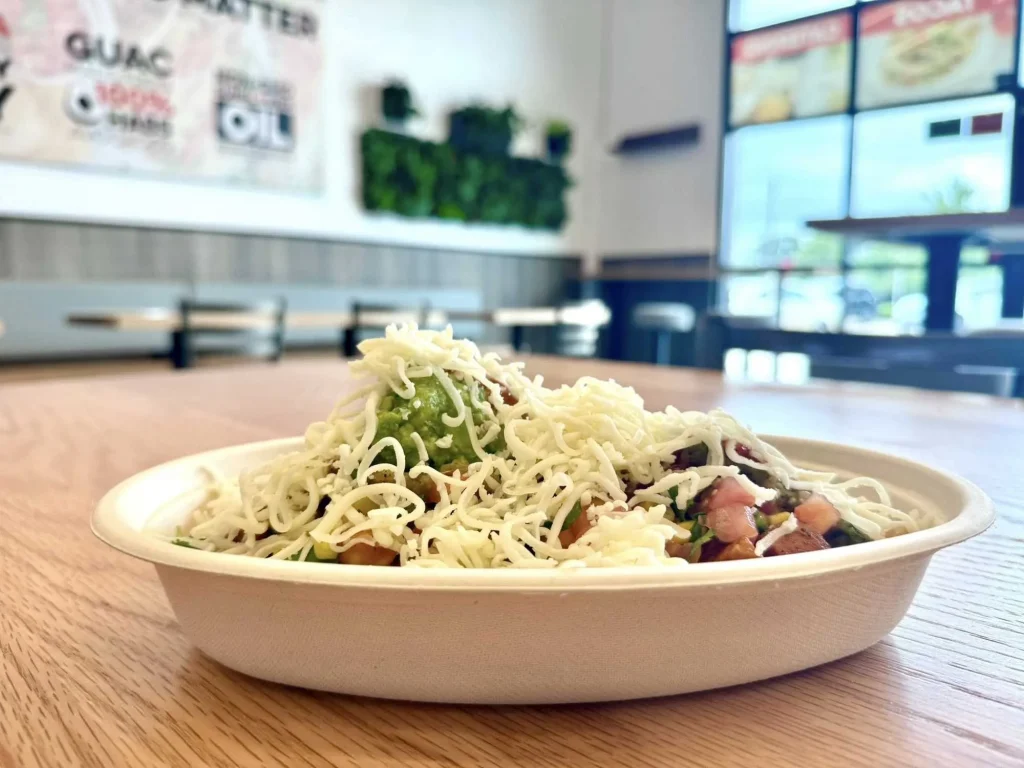
- Fast-Food Fans: Popular chains use Chipotle in sauces and seasonings to create bold flavors that keep customers coming back.
Tips for Enjoying Chipotle Flavor at Home
Start Small
If you are new to Chipotle, start with small amounts. Its smoky and spicy profile can be intense if overused.
Combine with Other Ingredients
Pair Chipotle with lime, garlic, cumin, or honey to create balanced flavors. These combinations can enhance the smoky sweetness while moderating heat.
Experiment with Cooking Methods
Roasting, grilling, or slow-cooking with Chipotle can intensify its flavor. Try marinating meats or tossing roasted vegetables in Chipotle seasoning for maximum taste impact.
Why Fans Love Chipotle
Memorable Taste Experience
The combination of smokiness, heat, sweetness, and umami creates a memorable eating experience. Fans remember the flavor long after the meal is finished.
Enhances Everyday Dishes
Even simple dishes like rice, beans, or grilled chicken become gourmet experiences when seasoned with Chipotle.
Cultural and Culinary Appeal
Chipotle is deeply rooted in Mexican cuisine but has crossed borders due to its versatile flavor. Fans appreciate both the cultural authenticity and the adaptability of Chipotle in various cuisines.
The Smoky Sensation of Chipotle
Understanding the Smoke
When exploring what does chipotle taste like, the first thing most fans notice is the distinct smoky aroma. This smokiness comes from the slow-drying and smoking process of jalapeño peppers, which transforms fresh chili into a flavorful, slightly sweet spice. The smoky element adds a rich depth that is hard to replicate with other spices.
Cooking with Smoke
Knowing what does chipotle taste like helps you pair it properly in cooking. Adding Chipotle to soups, stews, or grilled meats brings a warm, earthy layer to your dish. Fans love how the smokiness elevates simple recipes into a more complex and satisfying flavor experience.
The Balanced Heat Factor
Mild but Present
One common question is, what does chipotle taste like in terms of spiciness? Unlike raw jalapeños, Chipotle delivers a medium heat that builds slowly. This makes it enjoyable for most palates, giving that satisfying kick without overwhelming the senses.
Heat and Sweetness Combined
Understanding what does chipotle taste like also involves recognizing its subtle sweetness. The heat from the pepper is balanced with roasted sugar notes, creating a flavor that is both spicy and sweet. This balance is why fans keep returning to Chipotle in sauces and marinades.
Sweet and Earthy Notes
Subtle Sweetness
When people ask, what does chipotle taste like, the answer often includes the mild sweetness that develops during smoking. This sweetness is not overpowering but complements savory dishes perfectly, from beans to roasted chicken.
Earthy Undertones
Another key aspect of what does chipotle taste like is its earthy undertone. This grounding flavor provides a robust base that pairs well with herbs, tomatoes, and other natural ingredients, enhancing overall dish complexity.
Culinary Versatility of Chipotle
Enhancing Meats
What does chipotle taste like in meat dishes? It infuses grilled or roasted meats with a smoky, spicy richness. From chicken to beef, Chipotle creates a memorable flavor profile that is often described as hearty and indulgent.
Elevating Vegetarian Meals
Understanding what does chipotle taste like in plant-based dishes reveals its versatility. Roasted vegetables, beans, and rice become more flavorful, as Chipotle adds smokiness, mild heat, and subtle sweetness without the need for meat-based seasonings.
Why Fans Keep Coming Back
Flavor That Sticks
The question of what does chipotle taste like often comes up because of its addictive qualities. Fans appreciate how the smoke, heat, sweetness, and umami combine to make meals satisfying and memorable.
Cultural and Culinary Appeal
Finally, what does chipotle taste like is tied to its rich cultural roots in Mexican cuisine. Fans love it not just for the taste, but also for how it brings authentic flavors to a variety of dishes, from tacos to modern fusion recipes.
Exploring the Depth of Chipotle Flavor
Smoke and Spice Harmony
When people ask, what does chipotle taste like, they often expect a simple heat, but Chipotle delivers much more. The smoky flavor combines with a mild, building heat to create a unique balance that excites the palate. Fans of Chipotle often describe the taste as complex and layered, perfectly blending smoky, spicy, and subtly sweet notes. Knowing what does chipotle taste like helps home cooks add the right touch to meats, vegetables, and sauces, enhancing every bite.
Sweet and Earthy Balance
Another essential aspect of understanding what does chipotle taste like is its natural sweetness. The smoking process brings out mild sugar notes that balance the heat, while the earthy undertones provide a grounding, savory base. Fans often experiment with Chipotle in stews, tacos, and marinades to explore how the sweetness complements other flavors, which makes the question of what does chipotle taste like more fascinating with every recipe.
Why Chipotle is a Fan Favorite
Versatility in Cooking
One reason people keep asking what does chipotle taste like is its incredible versatility. Chipotle works beautifully in both vegetarian and meat dishes, adding smoky richness, mild heat, and subtle sweetness. From grilled chicken to roasted vegetables, fans find that understanding what does chipotle taste like transforms ordinary meals into flavorful experiences that everyone loves.
Memorable Flavor Experience
Finally, what does chipotle taste like is often tied to the memorable experiences it creates. The combination of smokiness, heat, sweetness, and earthy umami makes every dish feel satisfying and complete. Fans return to Chipotle seasonings and sauces repeatedly because knowing what does chipotle taste like ensures a consistently delicious and unforgettable flavor in every bite.
Conclusion
Understanding what does Chipotle taste like reveals why it has captured the hearts of food enthusiasts worldwide. Its smoky, mildly spicy, sweet, and umami-rich flavor makes it an ingredient that elevates almost any dish. From meats to vegetables and sauces, Chipotle provides depth, warmth, and satisfaction, making it a favorite for home cooks and chefs alike. Whether you are exploring new flavors or perfecting classic recipes, Chipotle’s unique taste ensures a delightful culinary experience every time. Navigate all sections easily by returning to the homepage.
FAQs
What does Chipotle taste like in different dishes?
Chipotle tastes smoky and mildly spicy in all dishes, but the flavor adapts to the ingredients it is combined with. In meats, it enhances richness; in vegetables, it adds depth; and in sauces, it provides a balanced smoky-sweet heat.
Is Chipotle very spicy?
No, Chipotle is generally mild to medium in heat. It provides a pleasant warmth without overwhelming the palate, making it enjoyable for most people, including those sensitive to spicy foods.
Can Chipotle be used in vegetarian recipes?
Absolutely. Chipotle adds flavor to vegetarian and vegan dishes, such as roasted vegetables, beans, and rice, providing a hearty and satisfying taste without meat.