
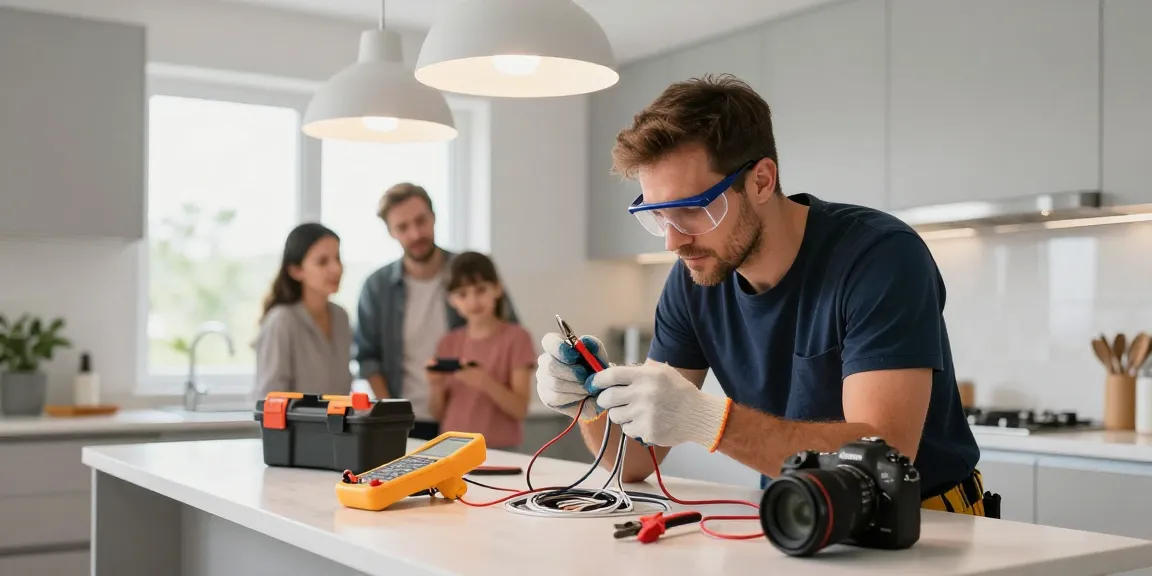

Understanding the Importance of Professional Electricians
Electricity powers our homes, offices, and communities, making its safe and efficient management a top priority for all homeowners. Understanding the nuances of electrical systems can not only help in preventing accidents but also contribute to significant energy savings. A professional electrician is your best ally in navigating the complexities of electrical installations and repairs. When exploring options, find out more about the services they offer to ensure optimal safety and functionality in your living space.
What Homeowners Need to Know About Electrical Safety
One of the most crucial aspects of home maintenance is electrical safety. According to the National Fire Protection Association (NFPA), electrical failures caused nearly 50,000 fires in the United States in recent years. Homeowners must be proactive in ensuring that their electrical systems are up to date and safe. Here are some vital safety tips:
- Always hire a licensed electrician for any electrical work. DIY attempts can lead to unsafe conditions.
- Regularly check your electrical cords and outlets for any signs of damage or wear.
- Install ground-fault circuit interrupters (GFCIs) in areas with moisture to prevent electrocution.
- Be aware of the electrical load your circuits can handle, and avoid overloading outlets.
Common Electrical Issues and Their Solutions
Homeowners can face various electrical problems that might require professional intervention. Recognizing these issues early can prevent more severe consequences:
- Frequent Circuit Breaker Trips: This is often due to overloaded circuits. Consult an electrician to redistribute your electrical load.
- Flickering Lights: Frequently flickering lights may indicate an issue with the light bulb, wiring, or fixture. It’s best to have a professional diagnose the problem.
- Burning Smell: If you detect a burning odor, it could be an indication of faulty wiring or overheating appliances. This requires immediate attention from a qualified electrician.
Why DIY Electrical Work Can Be Risky
While the internet is filled with DIY tutorials, electrical work remains one of the most hazardous home improvement tasks. The risks include:
- Electrocution or severe injury from improper handling of electrical components.
- The chance of code violations, which can lead to fines or issues if you try to sell your home.
- Potential for fires caused by inadequate or improper installations.
Therefore, it’s essential to weigh the pros and cons before diving into DIY electrical projects, keeping safety as the top priority.
How to Choose the Right Electrician for Your Needs
Finding the right electrician can be daunting, especially with so many professionals in the market. However, specific criteria can help streamline the process, ensuring you choose a qualified expert for your electrical needs.
Key Qualifications to Look For
When searching for a reliable electrician, consider these key qualifications:
- Licensing: Ensure the electrician holds all necessary state and local licenses required for their work.
- Insurance: A good electrician should have liability insurance and worker’s compensation to protect you from potential damages.
- Experience: Look for electricians with extensive experience in handling projects similar to yours.
Questions to Ask Before Hiring
Before making a final decision, ask potential electricians these important questions:
- Can you provide references from past clients?
- What is your approach to safety and compliance with local codes?
- How do you handle project changes or unforeseen complications?
Understanding Electrical Service Estimates
Electrical estimates can vary significantly. Ensure you receive a detailed estimate that outlines all potential costs, including labor, materials, and any unforeseen expenses. Understanding these estimates will help you avoid hidden charges in the final bill.
Best Practices for Maintaining Electrical Systems
Maintaining your home’s electrical system can prolong its lifespan and improve safety. Implementing regular checks and updates can make a significant difference.
Regular Inspections and Updates
Scheduling periodic inspections with a qualified electrician can help identify potential issues early. This proactive approach can prevent costly repairs down the road and ensure that your systems comply with current standards.
Signs You Need an Electrical Upgrade
Homeowners should be aware of several signs that indicate it may be time to upgrade their electrical systems:
- Frequent use of extension cords to power devices.
- Old or outdated electrical panels that cannot handle modern appliances.
- Inconsistent voltage or dimming lights when using multiple devices.
Energy Efficiency Tips for Homeowners
Making your home’s electrical systems more energy-efficient can save you money and reduce your environmental impact. Here are a few tips:
- Switch to LED lighting, which uses significantly less energy and lasts longer than traditional bulbs.
- Install smart thermostats and power strips that reduce standby energy consumption.
- Consider solar energy solutions to power your home sustainably.
The Future of Electrical Services in 2026
The electrical services landscape is poised for transformation in the coming years. Homeowners should stay informed about emerging trends that can enhance their homes.
Emerging Technologies in Home Electrical Systems
As technology advances, so do the solutions available for home electrical systems. Innovations like smart grids, automated lighting systems, and energy management software are becoming more accessible to homeowners, making it easier to manage energy usage effectively.
Impact of Smart Homes on Electrical Services
Smart home technology continues to evolve, allowing homeowners to control lighting, heating, and appliances remotely. This integration not only adds convenience but can also significantly reduce energy costs.
Trends in Sustainable Electrical Practices
Sustainability is becoming a key focus in electrical services. Homeowners are increasingly opting for energy-efficient solutions, such as solar panels and electric vehicle charging stations, thus enhancing their property’s value while contributing positively to the environment.
Frequently Asked Questions About Hiring Electricians
What qualifications should an electrician have?
A qualified electrician should hold a valid license, have appropriate insurance, and possess relevant certifications that demonstrate their skill level and knowledge of current electrical codes.
How do I know if my electrical work is up to code?
Hiring a licensed electrician for any work you need ensures that it adheres to local codes. They can also provide documentation of compliance upon completion.
What are the costs involved in hiring a professional electrician?
Costs will vary based on the scope of work, materials needed, and your location. Obtaining multiple quotes can help you find a fair price while ensuring quality service.
When should I consider home rewiring?
Consider rewiring your home if you experience frequent electrical issues, have outdated wiring, or plan to remodel extensively. A professional can perform an assessment to determine if rewiring is necessary.
What are common electrical emergencies to be aware of?
Common emergencies include power outages, sparks from outlets, and burning smells from electrical appliances. Knowing when to call an electrician is crucial for your safety.

