

- The Importance of Professional Design in Today’s Market
- Exploring Design Trends on https://bestdesignersintheworld.com/ Around the Globe
- Building a Strong Design Team for Success
- Implementing Effective Design Strategies for Businesses
- Frequently Asked Questions about Design at https://bestdesignersintheworld.com/
The Importance of Professional Design in Today’s Market
In a world where visual aesthetics can significantly influence consumer behavior, the importance of professional design cannot be overstated. Businesses are increasingly recognizing that effective design plays a critical role in attracting customers, enhancing brand perception, and ultimately driving sales. A well-crafted visual identity not only communicates the essence of a brand but also helps differentiate it in a crowded marketplace. To explore this further, we can look at the guidelines provided on https://bestdesignersintheworld.com/, which showcases the best design practices from around the globe.
Understanding Design Impact on Brand Perception
Brand perception is the culmination of how consumers view your brand, influenced heavily by design elements such as logo, color scheme, typography, and packaging. Each of these elements plays a specific role in shaping the emotional response of potential customers. Research shows that 93% of consumers base their purchase decisions on visual factors, underlining the significance of design in consumer choices.
Moreover, effective design can create a strong first impression, communicating professionalism and trustworthiness. Brands that invest in high-quality design are often perceived as more competent and accessible. Consistency in design across all platforms—websites, social media, packaging—reinforces brand identity and builds consumer confidence.
Key Characteristics of Effective Design Strategies
An effective design strategy incorporates several characteristics that are crucial for resonating with the target audience. These include:
- Clarity: Designs should communicate their message clearly without overwhelming the viewer.
- Consistency: Maintaining a consistent look and feel across all platforms strengthens brand recognition.
- Emotion: Good design evokes emotions, whether it’s excitement, nostalgia, or trust.
- Functionality: Design should not only be aesthetically pleasing but also functional, enhancing the user experience.
- Adaptability: As design trends evolve, effective strategies should allow for adaptation without losing brand integrity.
How to Evaluate Design Quality
Evaluating design quality involves a combination of subjective and objective measures. Feedback from the target audience is invaluable and can be gathered through surveys or focus groups. However, other quantifiable metrics include web analytics, conversion rates, and engagement statistics that reveal how consumers interact with your design.
Additionally, consider conducting A/B testing to compare different design elements and assess which performs better. This empirical approach provides data-driven insights that highlight areas for improvement.
Exploring Design Trends on https://bestdesignersintheworld.com/ Around the Globe
Current Aesthetic Preferences and Styles
Design trends are continually evolving, influenced by cultural shifts, technological advancements, and the dynamic nature of consumer expectations. Popular current trends include minimalism, which emphasizes simplicity and functionality, and bold colors that create visual impact. Incorporating these trends can help brands stay relevant and appealing to consumers.
Other noticeable styles include flat design, which utilizes 2D elements and is characterized by clean lines and solid colors, as well as responsive design aimed at providing users with the best experience across devices. Keeping an eye on platforms like https://bestdesignersintheworld.com/ can provide insights into the latest trends that industry leaders are leveraging.
Technological Advances Shaping Design Practices
Technology is a catalyst for innovation in design practices. From tools that facilitate design processes, like Figma and Sketch, to advancements in artificial intelligence that can automate certain design tasks, the landscape is constantly transforming. Virtual reality (VR) and augmented reality (AR) are emerging as essential tools for designers, offering unique ways to experience products before they are even created.
Data analytics plays a pivotal role as well, allowing designers to gain insights into user behavior and preferences. This information can significantly influence design decisions, allowing for tailored experiences that meet the specific needs of target audiences.
Case Studies in Innovative Design
Examining successful design initiatives offers a wealth of insights. For instance, a well-known tech company revamped its website to focus on a streamlined user experience, resulting in a 40% increase in visitor engagement. Another example involved a fashion brand that updated its packaging to reflect eco-friendly materials, which resonated well with environmentally-conscious consumers and led to an increased sales trajectory.
In each case, the fundamental principles of good design were applied, such as understanding the audience and continuously iterating based on feedback. Case studies provide tangible proof that investment in good design pays dividends.
Building a Strong Design Team for Success
Essential Skills for Modern Designers
As the design landscape evolves, so too must the skills of the designers within it. Key skills that modern designers should possess include:
- Creativity: The ability to think outside the box and develop unique ideas.
- Technical Proficiency: Familiarity with the latest design software and tools is crucial.
- Communication: Collaborative skills to effectively convey ideas and work with other teams.
- User Experience Understanding: Insight into how users interact with designs is vital for creating user-friendly products.
- Adaptability: The capability to keep pace with changing trends and technology.
Fostering a Collaborative Work Environment
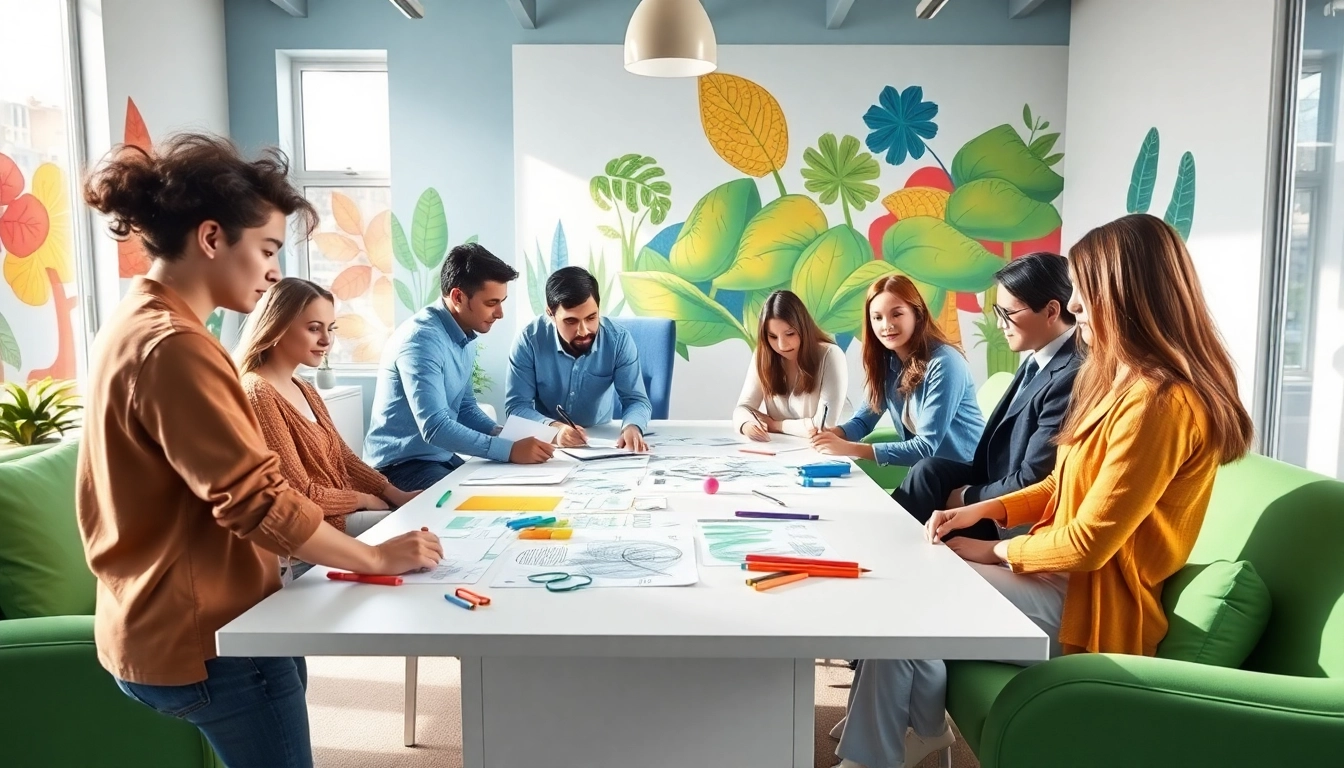
A collaborative work environment is essential for fostering creativity and innovation. Encouraging open communication among team members helps to generate diverse ideas and perspectives. Regular team brainstorming sessions can lead to breakthroughs in design and inspire team engagement.
Additionally, implementing project management tools can assist in streamlining communication, ensuring everyone is on the same page and that deadlines are met efficiently. This strategy enhances productivity and allows for a more cohesive team dynamic.
Tools that Enhance Design Productivity
Designers have access to a myriad of tools that enhance productivity, making design processes smoother and more efficient. Tools such as Adobe Creative Suite, Canva, and InVision can facilitate everything from graphic design to prototyping. These tools help in refining the design process, allowing designers to focus more on creativity and less on the mechanics of production.
Furthermore, utilizing collaboration tools like Slack or Trello can keep team communication fluid and project timelines on track. By integrating these tools, design teams can elevate their work, ensuring that projects meet both deadlines and quality standards.
Implementing Effective Design Strategies for Businesses
Steps to Create an Exceptional User Experience
Creating an exceptional user experience is a multi-faceted process that involves thorough research, testing, and iteration. Here are key steps to follow:
- Research Your Audience: Understand who your users are, their preferences, and their pain points.
- Define User Journeys: Create pathways that define how users will interact with your design.
- Design Prototypes: Develop low-fidelity to high-fidelity prototypes to facilitate user testing.
- Gather Feedback: Conduct user testing to obtain insights on usability and experience.
- Iterate Based on Insights: Use the feedback to refine designs before the final launch.
Measuring Design Success with Performance Metrics
Measuring the success of design initiatives is crucial for understanding the impact of design on business outcomes. Key metrics to consider include:
- User Engagement: Track how users interact with your design over time.
- Conversion Rates: Measure how many users take desired actions, such as signing up or making purchases.
- Feedback Scores: Regularly collect user feedback to gauge satisfaction with design elements.
- Return on Investment (ROI): Evaluate the financial outcomes resulting from design changes.
Utilizing analytics tools can help in effectively measuring these metrics and provide actionable insights for future strategies.
Aligning Design with Business Goals
Design should not exist in a vacuum; it needs to align with overarching business goals. Begin by understanding the company’s vision, mission, and objectives. Designs should be tailored to reflect these elements, ultimately guiding customers towards the desired actions and experiences.
Collaboration between marketing, design, and management teams will ensure that design efforts are in sync with market strategies and brand messaging, creating a strong foundation for success.
Frequently Asked Questions about Design at https://bestdesignersintheworld.com/
What is the role of a designer in a project?
A designer creates visual concepts, communicates ideas through design elements, and enhances user experience.
How do design trends influence consumer behavior?
Design trends shape perceptions, drawing attention and creating emotional connections with potential customers.
What skills are essential for a successful designer?
Creativity, proficiency in design software, communication, and understanding of user experience are crucial skills.
How can businesses measure the success of design initiatives?
Success can be measured through user feedback, engagement metrics, and overall impact on sales performance.
Why is collaboration important in design projects?
Collaboration fosters creativity, enhances problem-solving, and leads to more innovative and effective design solutions.